What Is Interior Design? A Complete and In-Depth Guide
 December 22, 2025
Interior design is a multidisciplinary profession that blends creativity, technical expertise, and functional planning to enhance the quality of interior spaces. It plays a vital role in shaping how people live, work, learn, and heal. From residential homes and commercial offices to hospitals, educational institutions, and public spaces, interior design directly impacts comfort, productivity, safety, and overall well-being.
As urbanisation and lifestyle expectations continue to evolve, interior design has become an essential field within the built environment. Understanding what interior design truly involves is important for students considering it as a career, as well as for anyone interested in how spaces influence human behaviour.
Understanding Interior Design
Interior design is the art and science of planning, designing, and managing interior spaces to create environments that are functional, safe, aesthetically pleasing, and responsive to human needs. It involves analysing how people interact with spaces and designing interiors that support comfort, usability, and purpose.
Professional interior designers work closely with architects, engineers, contractors, and clients to develop interior solutions that align with structural requirements, building regulations, and user expectations. The discipline goes far beyond selecting colors or furniture; it addresses layout planning, lighting systems, acoustics, ventilation, ergonomics, sustainability, and material performance.
Interior Design vs Interior Decoration
One of the most common misconceptions is that interior design and interior decoration are the same. While they are related, they are not identical.
Interior decoration focuses primarily on the visual appearance of a space. It includes choosing furniture, fabrics, accessories, color schemes, and decorative elements to enhance aesthetics.
Interior design, on the other hand, involves a deeper and more technical approach. It includes space planning, structural modifications, electrical and lighting layouts, material selection, and compliance with safety and building standards. Interior designers are trained to create functional environments that support long-term usability and comfort.
Core Principles of Interior Design
Interior design follows certain principles that help create balanced and harmonious spaces.
Balance
Balance refers to the visual distribution of elements in a space. It can be symmetrical, asymmetrical, or radial. Proper balance ensures that a room feels stable and comfortable rather than chaotic.
Proportion and Scale
Proportion relates to how elements relate to one another, while scale refers to how objects fit within a space. Furniture, lighting fixtures, and decorative elements must be appropriately sized to avoid overcrowding or emptiness.
Rhythm
Rhythm in interior design is achieved through repetition, contrast, or progression of elements such as color, patterns, or shapes. It helps guide the eye smoothly across a space.
Emphasis
Every interior space should have a focal point. This could be a feature wall, artwork, lighting fixture, or architectural element that draws attention and anchors the design.
Harmony and Unity
Harmony ensures that all design elements work together cohesively. Consistent materials, colors, and styles create a unified and visually pleasing environment.
Key Elements of Interior Design
Interior designers use a range of elements to shape interior spaces effectively.
Space Planning
Space planning is the foundation of interior design. It involves organizing areas to ensure efficient movement, functional zoning, and optimal use of available space. Good space planning improves comfort and usability.
Colour and Lighting
Colour influences emotions and behaviour, while lighting affects visibility, mood, and spatial perception. Designers carefully coordinate natural and artificial lighting with colour schemes to create the desired atmosphere.
Materials and Finishes
Materials such as wood, stone, glass, metal, and textiles define the durability, aesthetics, and maintenance requirements of a space. Interior designers select finishes based on functionality, sustainability, and design intent.
Furniture and Fixtures
Furniture selection is guided by ergonomics, scale, and functionality. Fixtures such as lighting, switches, and hardware are integrated to support both design and usability.
Texture and Patterns
Texture adds depth and tactile interest, while patterns introduce movement and personality into a space. These elements help prevent interiors from appearing flat or monotonous.
Types of Interior Design Specialisations
Interior design offers diverse specialisation areas, allowing professionals to focus on specific environments.
Residential Interior Design
This specialisation involves designing homes, apartments, villas, and residential complexes. Designers focus on personal comfort, lifestyle needs, and individual preferences while ensuring functional layouts.
Commercial Interior Design
Commercial interior design includes offices, retail stores, hotels, restaurants, and corporate spaces. These designs prioritise brand identity, customer experience, workflow efficiency, and durability.
Healthcare Interior Design
Healthcare interiors require specialised knowledge of hygiene standards, accessibility, patient comfort, and operational efficiency. Designers create environments that support healing and safety.
Educational and Institutional Design
Educational spaces such as schools and colleges must support learning, collaboration, and safety. Designers focus on spatial organisation, acoustics, lighting, and durability.
Sustainable Interior Design
Sustainable interior design emphasises eco-friendly materials, energy efficiency, waste reduction, and responsible resource use. This approach supports environmental well-being and long-term sustainability.
Tools and Technology in Interior Design
Modern interior design relies heavily on technology and digital tools.
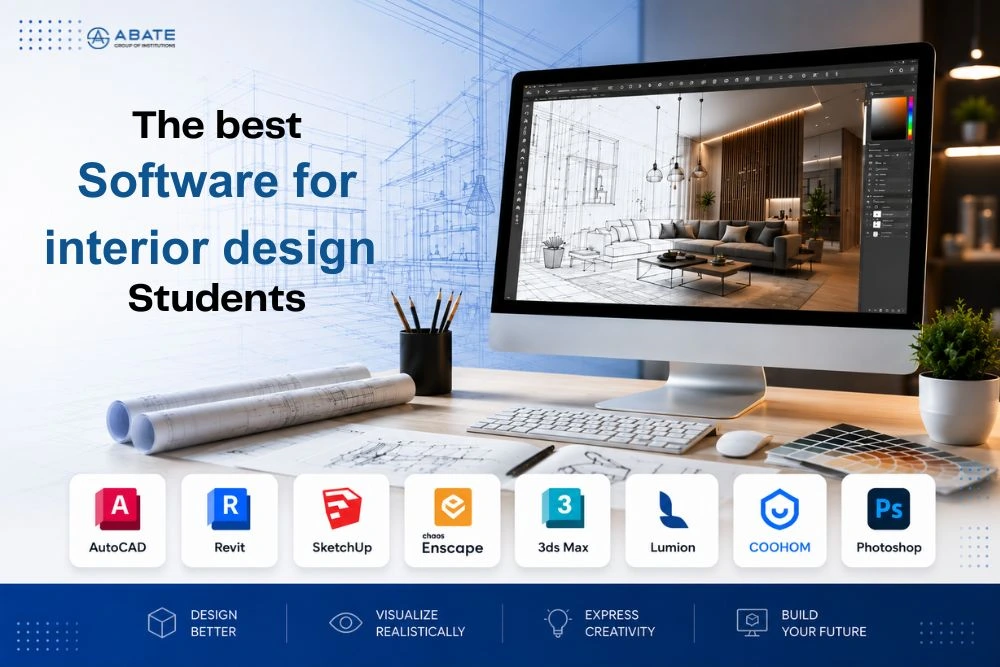
Design software such as CAD, 3D modeling tools, and visualization platforms help designers create detailed drawings and realistic representations of spaces. These tools improve communication with clients and allow for accurate planning and execution.
In addition, advancements in smart technologies, lighting automation, and sustainable materials have expanded the scope of interior design, making it more innovative and future-focused.
Why Formal Education Is Important in Interior Design
Interior design is a professional discipline that requires structured learning and technical training. Academic programs provide students with a strong foundation in design theory, drafting, building systems, materials, and professional ethics.
A degree such as BSc in Interior Designing equips students with essential knowledge and practical skills. Studio-based learning, workshops, and project work help students apply theoretical concepts to real-world scenarios.
Formal education also helps students understand industry standards, safety regulations, and client requirements, which are critical for professional practice.
Career Opportunities in Interior Design
Interior design offers a wide range of career paths across industries.
Graduates can work as residential or commercial interior designers, design consultants, space planners, furniture designers, lighting designers, or project coordinators. Opportunities also exist in architectural firms, construction companies, real estate developers, hospitality groups, and design studios.
With experience, interior designers may establish their own practices or specialise in niche areas such as healthcare or sustainable design.
Interior Design Education at Abate Institution
Abate Institution, the best interior design institute in Malappuram, provides interior design education through its BSc Interior Design program. The program is structured to build strong conceptual understanding, technical competence, and creative skills.
The curriculum integrates design theory with practical studio sessions, encouraging students to explore innovative solutions while meeting functional requirements. Academic guidance and hands-on learning help students prepare for professional roles in the design industry.
The Future of Interior Design
The future of interior design is shaped by changing lifestyles, technology, and sustainability concerns. Designers are increasingly focusing on adaptable spaces, wellness-centred design, and environmentally responsible practices.
As cities grow and interior environments become more complex, the demand for qualified interior designers continues to rise. Education and skill development remain key to succeeding in this evolving field.
Conclusion
Interior design is a dynamic profession that combines creativity, functionality, and technical expertise. It influences how spaces are experienced and how people interact with their environments. From residential homes to institutional buildings, interior design plays a crucial role in modern living.
For students interested in a career that blends art, science, and problem-solving, interior design offers vast opportunities. A strong academic foundation, such as a degree in interior design, is the first step toward building a successful and fulfilling career in this field.