What Employers Look for in Fresh Graduates Beyond Their Degree
 August 25, 2026

Graduating from college is an important milestone, but earning a degree is only the beginning of a professional journey. As more students enter the job market with similar academic qualifications, employers often look beyond marks, certificates, and the name of a degree when choosing candidates.
For fresh graduates, the question is no longer just “What did you study?” but also “What can you do with what you learned?”
Employers value candidates who can communicate well, solve problems, adapt to new situations, work with others, and apply their knowledge in practical settings. Building these qualities during college can make a significant difference when starting a career.
Why a Degree Alone May Not Be Enough
A degree demonstrates that a student has completed formal education in a particular field. It provides theoretical knowledge and an academic foundation, but professional environments often require additional skills.
For example, two graduates may have similar academic qualifications, but one may have completed internships, worked on projects, participated in workshops, developed software skills, and built a strong portfolio. These experiences can help demonstrate readiness for the workplace.
This is why students should focus on developing skills and experience alongside their academic education.
Practical Knowledge
Employers want graduates who can apply what they have learned rather than simply remember concepts from textbooks.
Practical learning can come through:
- Internships
- Academic projects
- Workshops
- Industry visits
- Case studies
- Practical assignments
- Live projects
- Part-time or freelance work
These experiences help students understand how classroom concepts are used in professional situations.
For example, an interior design student may understand design principles academically, but experience with design software, site visits, material studies, and practical projects can provide a better understanding of how a real project works.
Communication Skills
Good communication is valuable in almost every profession.
Fresh graduates may need to communicate with managers, colleagues, clients, customers, or other professionals. Employers therefore look for candidates who can express ideas clearly and listen effectively.
Communication includes more than speaking confidently. It also involves:
- Writing professional emails
- Presenting ideas
- Listening carefully
- Asking relevant questions
- Explaining problems clearly
- Participating in discussions
Students can improve these skills through presentations, group activities, seminars, workshops, and regular interaction with others.
Problem-Solving Ability
Workplaces rarely provide perfectly structured problems with straightforward answers. Employees are often expected to analyse situations and find practical solutions.
Employers value graduates who can:
- Understand a problem
- Identify possible causes
- Consider different solutions
- Evaluate the available options
- Take appropriate action
Developing problem-solving skills through projects and practical assignments can help students become more confident when facing unfamiliar situations.
Adaptability and Willingness to Learn
The workplace continues to change with new technologies, tools, processes, and customer expectations. Employers therefore value graduates who are willing to learn and adapt.
A fresh graduate is not expected to know everything on the first day. However, employers may look for someone who is curious, open to feedback, and willing to develop new skills.
This mindset can become particularly important as technologies such as Ai continue to influence different industries.
Digital and Industry-Relevant Skills
Basic digital knowledge is no longer enough for many careers. Employers increasingly value candidates who understand the tools and technologies relevant to their field.
Depending on the profession, this could include:
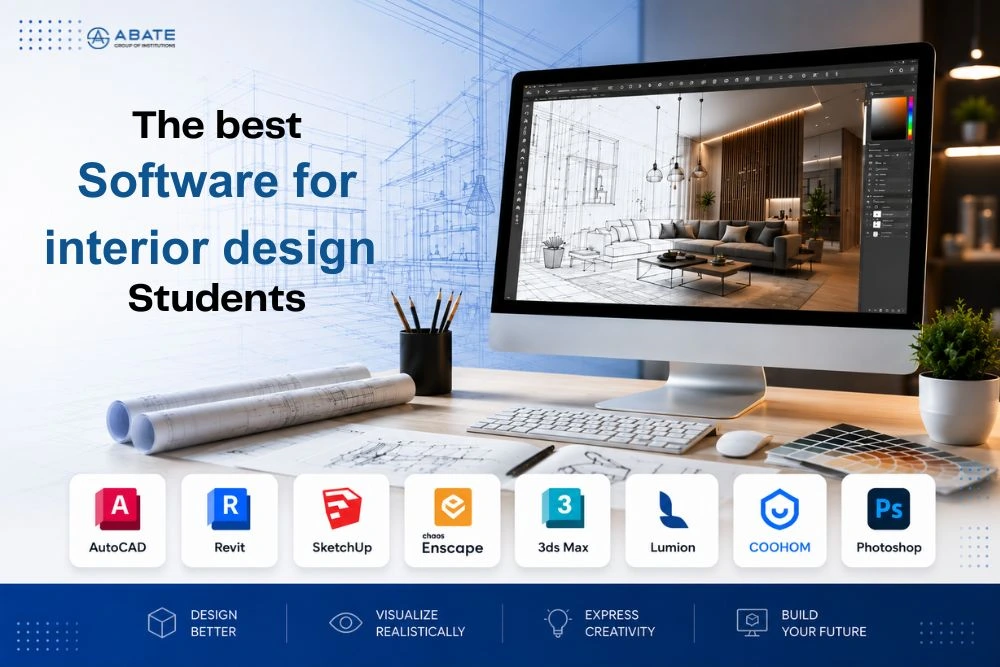
- Design and visualisation software
- Digital marketing tools
- Data analysis platforms
- Accounting software
- Communication and collaboration tools
- Industry-specific applications
- AI-powered tools
Students can improve their employability by identifying the technologies used in their target industry and gaining hands-on experience with them.
Teamwork
Most professional projects involve working with other people. Employees may need to collaborate with colleagues from different departments, backgrounds, or areas of expertise.
Employers therefore value graduates who can contribute to a team while respecting different ideas and responsibilities.
College provides many opportunities to develop teamwork through:
- Group projects
- Events
- Student activities
- Workshops
- Competitions
- Presentations
- Collaborative assignments
The ability to work independently is important, but knowing how to work effectively with others is equally valuable.
Confidence and Professional Attitude
Confidence can influence how a candidate communicates during interviews and professional interactions.
However, confidence does not mean knowing everything or speaking the most. It means being comfortable expressing ideas, asking questions, accepting feedback, and taking responsibility.
A professional attitude also includes punctuality, respect, reliability, willingness to learn, and taking commitments seriously.
These qualities can help fresh graduates make a positive impression even when they have limited professional experience.
A Strong Portfolio
For many creative and technical careers, a portfolio can communicate a graduate's abilities more effectively than a resume alone.
A good portfolio can showcase:
- Academic projects
- Practical assignments
- Personal projects
- Internship work
- Design concepts
- Technical work
- Research or case studies
Students should focus on presenting their best work clearly and explaining the thought process behind each project.
A portfolio is especially useful for fields such as interior design, architecture, graphic design, animation, photography, web development, and other project-based careers.
Internship and Industry Exposure
Internships allow students to experience professional environments before completing their education.
They can help students understand:
- Workplace expectations
- Professional communication
- Project timelines
- Team structures
- Client requirements
- Industry standards
- Day-to-day responsibilities
Even a short internship can provide valuable exposure and help students identify areas where they need to improve.
Creativity and Critical Thinking
Employers do not always want candidates who simply follow instructions. They also value people who can think independently and approach situations from different perspectives.
Creativity can help generate new ideas, while critical thinking helps evaluate whether those ideas are practical.
This combination is particularly useful when solving problems, developing projects, improving processes, or responding to changing customer needs.
Time Management
College students often manage multiple assignments, examinations, projects, and activities at the same time. Learning how to prioritise these responsibilities can prepare them for professional workloads.
Good time management involves:
- Setting priorities
- Creating realistic schedules
- Meeting deadlines
- Avoiding unnecessary delays
- Breaking large tasks into manageable steps
A graduate who consistently meets deadlines can demonstrate reliability to potential employers.
Willingness to Take Feedback
Feedback is an important part of professional development. Fresh graduates may need guidance as they learn workplace processes and expectations.
Employers value candidates who can accept constructive feedback without becoming discouraged and use it to improve their performance.
Instead of seeing feedback as criticism, students can treat it as an opportunity to identify weaknesses and develop professionally.
How Students Can Become More Career-Ready
Building employability does not have to wait until graduation. Students can start preparing from their first year itself.
A practical approach is to:
- Develop strong academic fundamentals
- Learn relevant industry software
- Participate in practical projects
- Attend workshops and seminars
- Complete internships
- Build a professional portfolio
- Improve communication skills
- Take part in group activities
- Stay updated with industry trends
- Learn to use relevant emerging technologies
- Seek feedback from teachers and professionals
The goal is to graduate with more than a certificate. Students should aim to graduate with knowledge, skills, experience, confidence, and a willingness to keep learning.
What Employers Really Want From Fresh Graduates
Employers understand that fresh graduates may not have years of professional experience. They are not necessarily looking for a fully developed professional from day one.
Instead, many employers value graduates who show potential through their:
- Ability to learn
- Practical understanding
- Communication
- Problem-solving
- Teamwork
- Adaptability
- Technical skills
- Professional attitude
- Creativity
- Willingness to improve
These qualities can help a graduate stand out when competing with candidates who have similar academic qualifications.
Why Choose Abate Institutions for Career-Focused Education?
Choosing the right institution can play an important role in developing the skills employers look for in fresh graduates. Abate Group of Institutions focuses on combining academic learning with practical exposure, helping students build the knowledge, confidence, and professional skills needed for their chosen careers.
At Abate, students are encouraged to learn beyond textbooks through hands-on training, practical sessions, industry exposure, and opportunities to develop their professional abilities. The institution’s approach places emphasis on student development, innovation, and career readiness.
For students pursuing optometry course in Kerala and Chennai, Abate offers a particularly practical learning environment through its connection with Abate Eye Hospitals. Students can gain clinical exposure, interact with patients, and train with modern diagnostic equipment under the guidance of experienced professionals.
What Makes Abate Different?
- Practical learning: Students gain opportunities to apply classroom knowledge in practical settings.
- Clinical exposure: Optometry students receive hands-on experience through clinical postings and patient interaction.
- Experienced faculty: Students learn from professionals and educators with relevant academic and industry experience.
- Modern facilities: Training includes exposure to contemporary diagnostic and learning tools.
- Industry-ready skills: The focus extends beyond academic knowledge to communication, practical competence, and professional development.
- Student development: Workshops, activities, projects, camps, and other experiences help students develop teamwork, confidence, and interpersonal skills.
Abate also has a presence across Perinthalmanna, Calicut, Kannur, Coimbatore, and Chennai, providing students with multiple locations to pursue their educational goals.
For students who want to build a career in optometry and other professional fields, an education that combines knowledge, practical experience, industry exposure, and continuous skill development can provide a strong foundation for the future. Abate Institutions aims to support students in developing these qualities and preparing them for the demands of the professional world.
Conclusion
A degree provides the foundation for a career, but it does not define a graduate's complete professional potential. Employers increasingly look at what candidates can contribute beyond their academic qualifications.
Practical experience, communication, technical knowledge, teamwork, problem-solving, adaptability, and a strong professional attitude can all influence employability.
For students, the best time to develop these qualities is before graduation. By combining academic learning with practical exposure and continuous skill development, fresh graduates can enter the job market with greater confidence and better preparation for the opportunities ahead.