Skills Needed for Interior Design: A Complete Guide for Aspiring Designers
 April 16, 2026
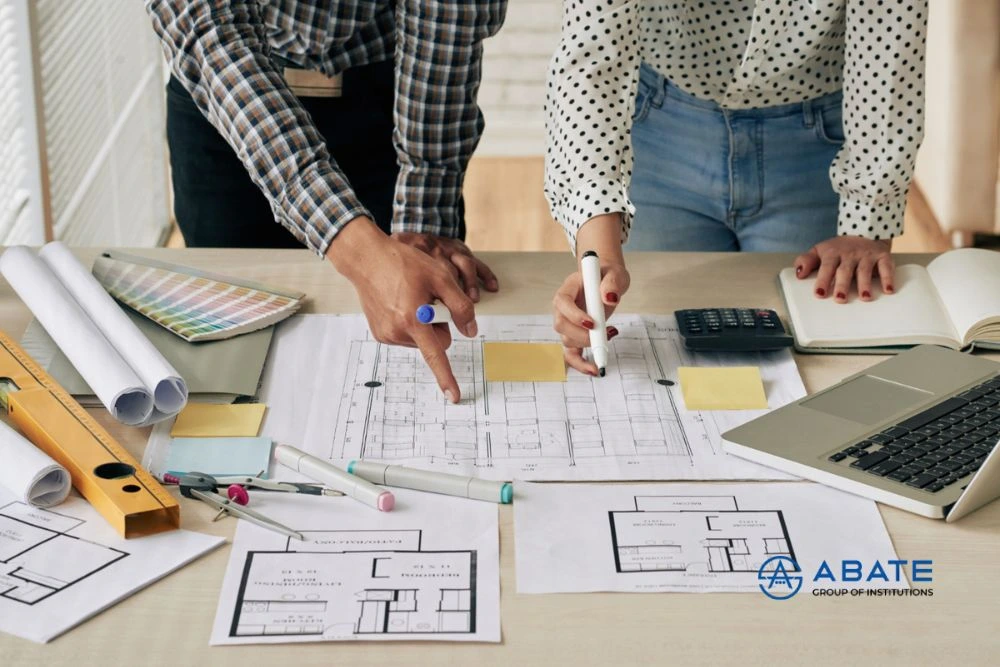
Interior design is more than arranging furniture or choosing colors; it is about creating spaces that are functional, comfortable, and visually appealing. A successful interior designer combines creativity with technical knowledge and practical skills to transform ideas into reality.
If you are planning to pursue a career in this field, understanding the skills needed for interior design is essential. This guide will help aspiring students explore the key skills required to succeed and grow in the interior design industry.
What Makes Interior Design a Skill-Based Career?
Interior design is a highly skill-oriented profession where success depends not only on academic knowledge but also on practical abilities. Designers must understand client needs, visualize spaces, and execute ideas efficiently.
The right set of skills helps designers:
- Create functional and aesthetic spaces
- Communicate ideas effectively
- Solve design challenges
- Deliver projects successfully
Essential Skills Needed for Interior Design
1. Creativity and Design Thinking
Creativity is the foundation of interior design. Designers must think innovatively to create unique and appealing spaces. Design thinking helps in developing concepts that are both practical and visually attractive.
2. Space Planning Skills
Understanding how to use space effectively is one of the most important skills. Designers must plan layouts that ensure comfort, functionality, and proper flow within a space.
3. Attention to Detail
Interior design involves multiple elements like colors, textures, lighting, and furniture. Paying attention to small details ensures a well-balanced and polished final design.
4. Communication Skills
Interior designers work closely with clients, architects, and contractors. Clear communication helps in understanding requirements and explaining design ideas effectively.
5. Problem-Solving Ability
Every project comes with challenges such as limited space, budget constraints, or structural limitations. Designers must find creative solutions to overcome these issues.
6. Technical Knowledge
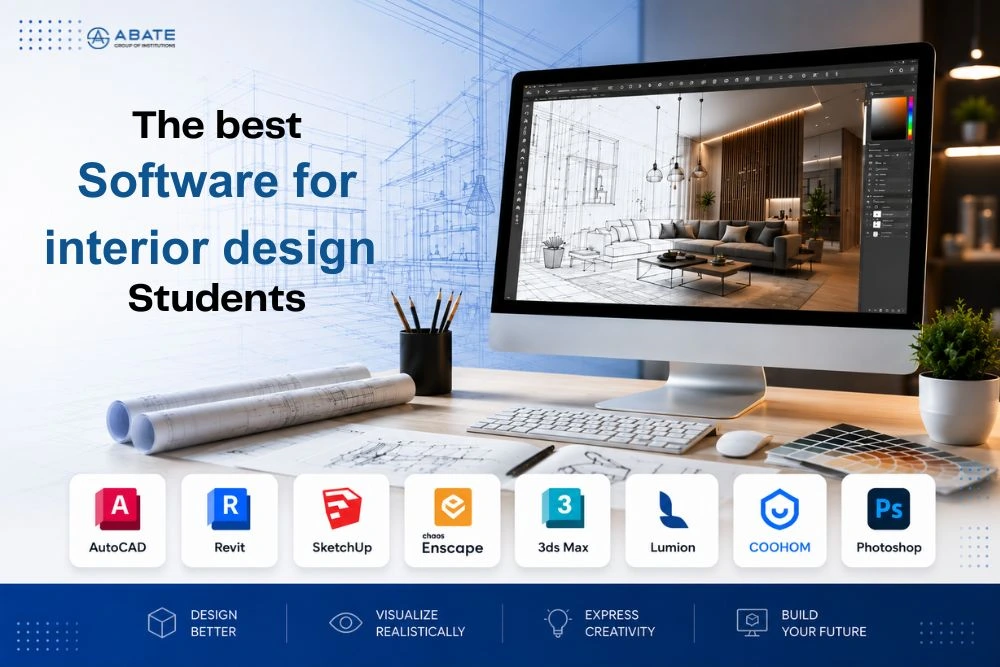
Interior designers should have basic knowledge of construction, materials, and design tools. Skills in software like AutoCAD, SketchUp, and 3D modeling tools are highly valuable.
7. Knowledge of Materials and Colors
Choosing the right materials and color combinations is essential for creating visually appealing and functional spaces. Designers must understand how different elements work together.
8. Time Management Skills
Interior design projects often have deadlines. Managing time effectively ensures timely completion without compromising quality.
9. Budget Management
Designers must work within a client’s budget while maintaining quality and aesthetics. This requires careful planning and decision-making.
10. Adaptability and Learning Attitude
Design trends and technologies keep evolving. A successful interior designer must stay updated and be willing to learn new skills continuously.
How to Develop Interior Design Skills
Developing interior design skills requires a combination of learning, practice, and real-world exposure. While creativity may come naturally, refining it into a professional skill takes time and the right approach.
1. Formal Education
Enrolling in a professional interior design course provides a strong foundation in design principles, materials, space planning, and technical concepts. Structured learning helps students understand both theoretical and practical aspects, making it easier to build a career in the field.
2. Practical Experience
Hands-on experience plays a major role in skill development. Working on projects, assignments, or internships allows students to apply what they learn in real situations. It also helps in understanding client requirements, project challenges, and execution techniques.
3. Learning Design Software
Modern interior design relies heavily on digital tools. Learning software such as AutoCAD, SketchUp, and 3D visualization tools helps in creating accurate designs and presentations. These tools also improve efficiency and make it easier to communicate ideas professionally.
4. Observing Design Trends
Interior design is a dynamic field where trends keep evolving. Following current trends, styles, and innovations helps designers stay updated and relevant. This also inspires new ideas and enhances creative thinking.
5. Building a Strong Portfolio
A portfolio is one of the most important tools for any interior designer. It showcases your work, creativity, and design approach. Including academic projects, real-world work, and conceptual designs helps in attracting potential employers or clients.
6. Learning from Experts and Mentors
Guidance from experienced professionals can significantly improve your skills. Interacting with mentors, attending workshops, and participating in design discussions provide valuable insights into the industry.
7. Continuous Practice and Improvement
Interior design skills improve with consistent practice. Experimenting with new ideas, redesigning spaces, and working on different concepts helps in refining creativity and technical abilities over time.
Role of the Right Institution in Skill Development
Choosing the right interior design institution plays a key role in developing these skills. A good institute provides:
- Studio-based learning
- Real-world project exposure
- Experienced faculty guidance
- Industry-relevant training
Institutions like Abate Group of Institutions focus on skill-based education, helping students develop both creative and technical expertise required in interior design. If you are looking for an interior design institute in Calicut, Kannur, or Malappuram, Abate Institution is the best academy to develop your interior design skills.
Career Opportunities with Interior Design Skills
With the right skills, students can explore various career paths such as:
- Interior Designer
- Residential Designer
- Commercial Space Designer
- Furniture Designer
- Visual Merchandiser
- Design Consultant
These roles offer both job stability and opportunities for independent practice.
Why Skills Matter More Than Just a Degree
In interior design, practical skills often matter more than theoretical knowledge alone. Employers and clients look for designers who can deliver results, solve problems, and create impactful designs.
Developing strong skills ensures:
- Better job opportunities
- Higher earning potential
- Long-term career growth
Final Thoughts
Understanding the skills needed for interior design is the first step toward building a successful career in this creative field. While creativity is important, combining it with technical knowledge, communication, and problem-solving skills makes a designer truly successful.
With the right education, practice, and dedication, students can develop these skills and create a rewarding future in interior design. Focus on continuous learning and practical experience to stay ahead in this competitive and dynamic industry. Choosing the right institution will help to develop interior design skills. Contact Abate Institution for more.