Job Scope for Interior Designers: Career Opportunities, Skills, and Future Growth
 April 8, 2026

Interior design is no longer just about decorating spaces; it is about creating functional, comfortable, and aesthetically pleasing environments that enhance the way people live and work. With rapid urbanization, growing real estate development, and increasing demand for personalized spaces, the job scope for interior designers has expanded significantly in recent years.
For students considering a career in design, interior design offers a perfect blend of creativity, technical knowledge, and practical application. This guide explores the career opportunities, roles, skills, and future scope of interior design.
What Does an Interior Designer Do?
An interior designer plans, designs, and manages interior spaces to improve functionality and appearance. Their work involves understanding client needs, creating design concepts, and executing projects efficiently.
Typical responsibilities include:
- Space planning and layout design
- Selecting materials, colors, and furniture
- Creating design concepts and mood boards
- Coordinating with architects and contractors
- Managing project timelines and budgets
- Ensuring safety and functionality
Interior designers work on a variety of spaces, including homes, offices, hotels, retail stores, and public buildings.
Job Scope for Interior Designers in India
The demand for interior designers in India is growing rapidly due to:
- Increasing urban development
- Rising interest in modern living spaces
- Growth in the commercial and retail sectors
- Expansion of the real estate industry
Today, interior designers are needed not only for luxury projects but also for everyday residential and commercial spaces.
Top Career Opportunities in Interior Design
Interior design offers a wide range of career options. Students can choose paths based on their interests and specialization.
1. Residential Interior Designer
Focuses on designing homes, apartments, and villas. This includes space planning, furniture selection, and aesthetic enhancement.
2. Commercial Interior Designer
Works in offices, retail stores, restaurants, and malls. The goal is to create functional and visually appealing business spaces.
3. Hospitality Interior Designer
Specializes in designing hotels, resorts, and restaurants with a focus on customer experience and comfort.
4. Furniture Designer
Designs customized furniture that matches interior themes and client requirements.
5. Set Designer
Works in film, television, and events to create visually engaging sets and environments.
6. Exhibition and Event Designer
Designs exhibition stalls, trade show booths, and event spaces.
7. Lighting Designer
Focuses on designing lighting systems that enhance the mood and functionality of spaces.
8. Freelance Interior Designer
Many interior designers choose to work independently, handling projects directly with clients.
Workplaces for Interior Designers
Interior designers can work in various environments, such as:
- Interior design firms
- Architectural firms
- Real estate companies
- Construction companies
- Furniture showrooms
- Event management companies
Some professionals also start their own design studios after gaining experience.
Skills Required for Interior Designers
To succeed in this field, students need a combination of creative and technical skills.
Key Skills Include:
- Creativity and design thinking
- Space planning and visualization
- Knowledge of materials and textures
- Communication and client handling
- Project management
- Attention to detail
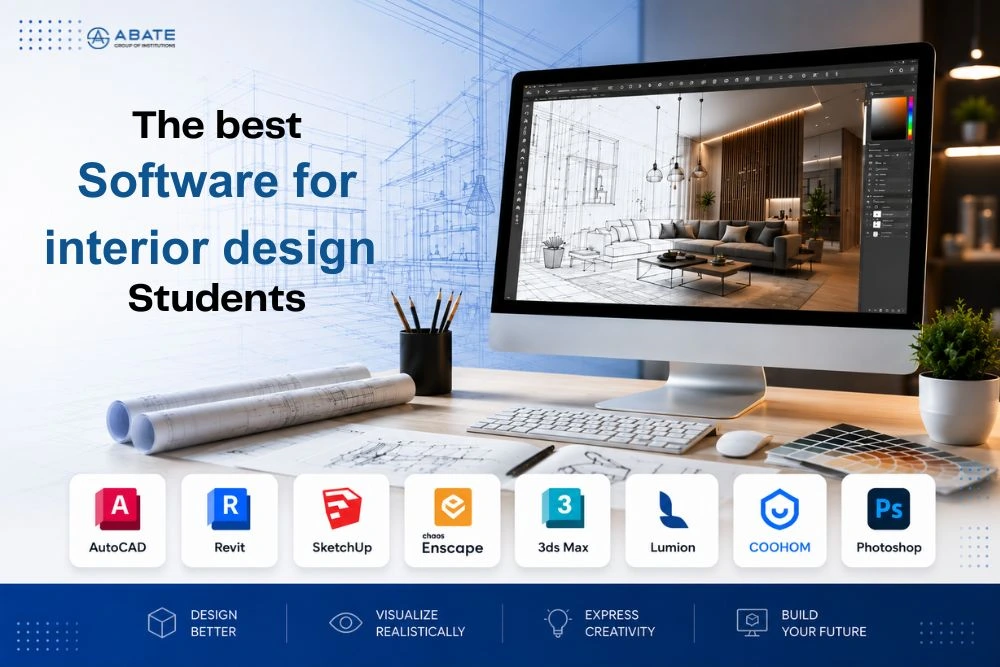
- Software skills (AutoCAD, SketchUp, 3D tools)
Strong skills help designers deliver better results and build a successful career.
Salary and Career Growth
The salary of an interior designer depends on experience, location, and expertise.
- Freshers: Entry-level roles in design firms
- Mid-level professionals: Higher responsibility and project handling
- Experienced designers: Senior roles or independent practice
With experience, designers can earn significantly higher income, especially in freelance or business setups.
Future Scope of Interior Design
The future of interior design looks promising due to:
- Growth in smart homes and modern living spaces
- Demand for sustainable and eco-friendly designs
- Increasing commercial infrastructure
- Rising awareness about space optimization
Interior design is evolving with technology, making it a dynamic and future-ready career.
Why Choose Interior Design as a Career?
Interior design is ideal for students who:
- Enjoy creativity and innovation
- Have an interest in design and aesthetics
- Like transforming spaces
- Want a career with flexibility and growth
It offers both job stability and opportunities for independent practice.
Role of Education in an Interior Design Career
A structured education in interior design helps students build a strong foundation in both theory and practice.
Abate Group of Institutions, the best interior design institutes in Malappuram, Calicut, and Kannur, offer interior design programs that focus on:
- Practical studio-based learning
- Real-world project experience
- Industry-relevant skills
- Creative development
Such learning environments help students prepare for real-world challenges and build a successful career in interior design.
How to Apply for the Interior Design Course at Abate
Applying for an interior design course at Abate Group of Institutions is a simple and guided process designed to help students take the next step in their creative careers.
Step 1: Check Eligibility
Students who have completed their 12th (Plus Two) or equivalent from a recognized board are eligible to apply for the interior designing course.
Step 2: Explore the Course Details
Before applying, it is important to understand the course structure, syllabus, and career opportunities. This helps in making an informed decision about pursuing interior design.
Step 3: Submit Your Application
Students can apply by:
- Filling out the application form through the official website
- Visiting the campus directly for admission assistance
- Contacting the admission team for guidance
- You can call directly at this number: +919072555222
Step 4: Attend Counseling or Interaction
After submitting the application, students may be invited for a counseling session. This helps in understanding the course better and clarifying any doubts regarding career opportunities.
Step 5: Confirm Admission
Once selected, students can confirm their admission by completing the required documentation and fee payment process.
Final Thoughts
The job scope for interior designers is expanding rapidly, making it one of the most promising creative careers today. With the right skills, education, and passion, students can build a rewarding career in this field.
Interior design is not just about creating beautiful spaces; it is about improving how people live, work, and experience their surroundings. For those with creativity and vision, it offers endless opportunities and long-term growth.