Is Interior Design the Right Course for You? A Complete Guide
 July 21, 2026

Choosing a course after 12th is an important decision, especially when you are looking for a career that matches your interests, skills, and long-term goals. While traditional career paths continue to attract students, creative and technology-driven fields such as interior design are gaining popularity.
Interior design is more than choosing colours, furniture, and decorations. It combines creativity, technical knowledge, space planning, design software, problem-solving, and an understanding of people's needs. If you enjoy transforming spaces and finding creative solutions, you may be wondering whether interior design is the right course for you.
This guide will help you understand what interior design involves, who can consider this career, the skills required, career opportunities, and how to decide whether this course matches your interests. Let’s explore the expert advice from the best interior design institute in Calicut.
What Does an Interior Designer Do?
An interior designer plans and develops indoor spaces to make them functional, comfortable, safe, and visually appealing. Depending on the project, an interior designer may work on homes, offices, hotels, restaurants, retail stores, healthcare facilities, and other spaces.
The work can involve:
- Understanding client requirements
- Preparing space plans
- Creating design concepts
- Selecting colours and materials
- Planning furniture layouts
- Designing lighting concepts
- Preparing technical drawings
- Creating 3D visualizations
- Coordinating with contractors and other professionals
- Monitoring design implementation
This makes interior design a career that combines creative thinking with practical and technical skills.
Who Should Consider Studying Interior Design?
Interior design can be a suitable choice if you enjoy creativity but also want to develop practical and technical abilities.
Here are some signs that interior design could be right for you.
1. You Enjoy Being Creative
If you naturally enjoy drawing, designing, experimenting with colours, arranging spaces, or developing new ideas, interior design can provide an opportunity to turn your creativity into a professional skill.
However, you don't need to be an exceptional artist to study interior design. Creativity can be developed through practice, observation, and exposure to different design concepts.
2. You Are Interested in Spaces and Interiors
Do you notice the way furniture is arranged when you enter a room? Do you think about how a small space could be better utilised?
An interest in how spaces look and function can be a strong foundation for studying interior design.
Interior designers need to understand how different elements work together to create a balanced and functional environment.
3. You Enjoy Solving Problems
Interior design involves much more than making a space look attractive.
Designers regularly face challenges involving:
- Limited space
- Client budgets
- Material availability
- Structural limitations
- Lighting
- Functionality
- Construction requirements
If you enjoy finding practical solutions to problems, you may find interior design particularly rewarding.
4. You Want a Career That Combines Creativity and Technology
Modern interior design has become increasingly technology-driven.
Students and professionals use software for:
- Technical drawings
- 3D modelling
- Rendering
- Space planning
- Presentations
- Project visualization
Artificial Intelligence is also becoming part of the design workflow, helping professionals explore concepts and improve productivity.
If you enjoy both creativity and technology, interior design offers an opportunity to develop both skill sets.
5. You Are Interested in Learning Design Software
Professional interior designers use a range of digital tools to develop and present their ideas.
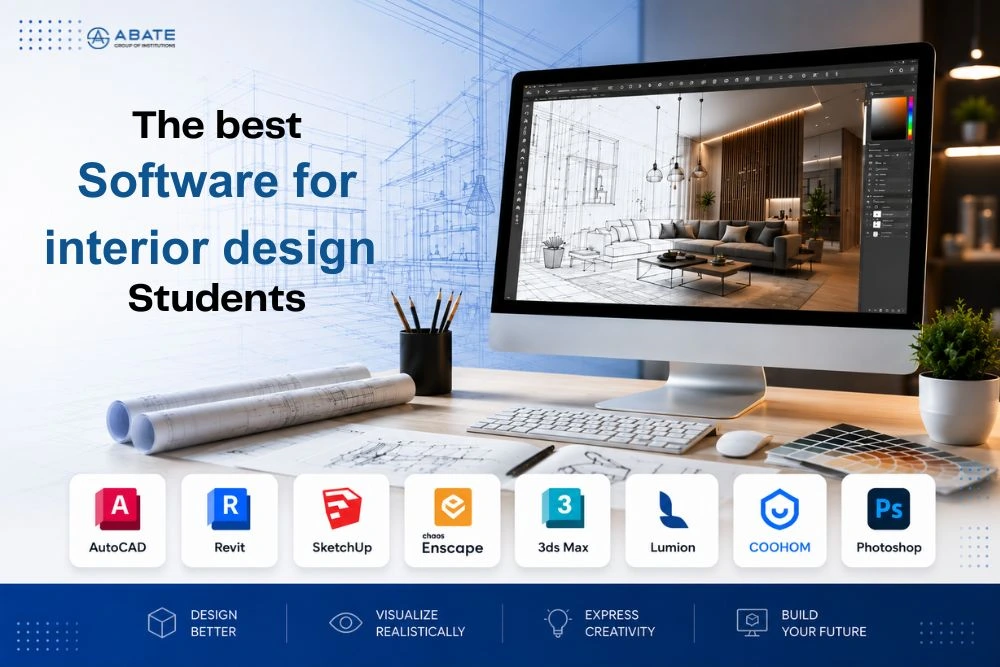
Depending on the course and industry requirements, students may learn software such as:
- AutoCAD
- SketchUp
- Revit
- 3ds Max
- Photoshop
- Rendering tools
- AI-assisted design tools
You don't need to know these applications before joining a course. A good interior design program should provide opportunities to learn and practise them.
6. You Enjoy Working on Projects
Interior design education is often project-oriented. Instead of learning only through textbooks, students work on design concepts, drawings, models, presentations, and practical assignments.
If you enjoy learning by doing and developing projects from an initial idea to a finished concept, interior design may suit your learning style.
7. You Have Good Communication Skills—or Want to Develop Them
Interior designers work closely with clients, architects, contractors, suppliers, and other professionals.
They need to understand what clients want and communicate design ideas clearly.
You don't have to be an excellent communicator when you begin. Communication skills can be improved through presentations, group projects, internships, and practical exposure.
What Skills Are Important for an Interior Design Student?
A successful interior designer needs a combination of creative, technical, and interpersonal skills.
Creativity
Helps you develop unique and visually appealing design concepts.
Space Planning
Allows you to use available space efficiently and create functional layouts.
Technical Skills
Help you understand drawings, measurements, materials, construction, and design documentation.
Software Skills
Enable you to create accurate drawings, 3D models, and professional presentations.
Problem-Solving
Helps you find practical solutions to design and project challenges.
Communication
Allows you to understand clients and collaborate effectively with project teams.
Attention to Detail
Helps ensure that design elements work together accurately and consistently.
Do You Need to Be Good at Drawing?
This is a common question among students considering interior design.
Being able to draw can certainly be helpful, particularly when communicating initial ideas. However, you do not need to be an expert artist to become an interior designer.
Interior design education helps students develop drawing, visualisation, technical, and digital design skills over time.
Modern software also provides powerful tools for creating professional design drawings and visualisations.
Is Interior Design a Good Career Choice?
Interior design offers diverse career opportunities across residential, commercial, hospitality, retail, healthcare, and other sectors.
After completing an interior design program, graduates can explore roles such as:
- Interior Designer
- Residential Interior Designer
- Commercial Interior Designer
- Space Planner
- Furniture Designer
- Exhibition Designer
- Retail Designer
- Design Consultant
- 3D Visualisation Artist
- Interior Design Entrepreneur
The exact opportunities available depend on your qualifications, skills, portfolio, experience, and professional interests.
Can Interior Designers Work Abroad?
Yes, interior designers can explore international career opportunities with the right combination of education, technical skills, experience, and portfolio.
Countries with active construction, hospitality, real estate, and commercial development sectors can offer opportunities for qualified professionals.
International exposure during education can also help students understand different design approaches and industry practices.
Why Practical Training Matters in Interior Design
Interior design cannot be fully learned through theory alone. Students need opportunities to apply their knowledge to practical projects.
Practical training can help students understand:
- How design concepts are developed
- How spaces are measured and planned
- How materials are selected
- How design software is used
- How projects are presented
- How professionals interact with clients
- How designs are implemented
Internships, workshops, site visits, and studio projects can therefore play an important role in preparing students for professional life.
Why AI and Technology Matter in Interior Design
The design industry is evolving with the introduction of AI-powered tools and advanced visualization technologies.
AI can help designers explore:
- Design concepts
- Colour combinations
- Furniture arrangements
- Mood-board ideas
- Visualization options
However, AI does not replace fundamental design knowledge. Designers still need to understand functionality, materials, construction, client requirements, and real-world limitations.
For students, learning to use AI alongside traditional design principles can help build future-ready skills.
What Should You Look for in an Interior Design Course?
Before choosing a course, don't look only at the course name. Consider what the institution actually provides.
Look for:
Industry-Focused Curriculum
The syllabus should cover both design fundamentals and current industry practices.
Practical Learning
Check whether students work on studio projects, assignments, workshops, and real-world applications.
Industry Software Training
Learning professional design software can improve your technical skills and employability.
AI-Integrated Learning
Understanding emerging AI tools can help students adapt to the future of the industry.
Industry Exposure
Site visits, internships, workshops, and industry interactions can provide valuable practical experience.
Global Exposure
International industrial visits can help students understand global design practices and trends.
Placement Assistance
Career guidance and placement support can help students transition from education to employment.
Why Choose Abate Group of Institutions for Interior Design?
At Abate Group of Institutions, the interior design course in Kannur, Calicut, and Malappuram combines creativity, technology, and practical learning to prepare students for the evolving design industry.
The program features an industry-focused curriculum, AI-integrated learning, industry software training, global exposure, practical projects, and placement assistance. Students can also gain international exposure through industrial visits to destinations such as China, Hong Kong, and Singapore.
This approach helps students develop creative thinking, technical expertise, software proficiency, and industry awareness while preparing them for diverse career opportunities in interior design.
Questions to Ask Yourself Before Choosing Interior Design
Before enrolling, take some time to think about these questions:
Do I enjoy creativity and design?
If you enjoy developing ideas and experimenting with visual concepts, that's a positive sign.
Am I interested in how spaces work?
Understanding functionality is just as important as aesthetics.
Am I willing to learn technical skills?
Interior design involves drawings, measurements, materials, software, and construction knowledge.
Do I enjoy practical projects?
Much of the learning happens through design assignments and hands-on work.
Am I interested in technology?
Modern designers increasingly use software, 3D visualization, and AI-assisted tools.
Do I want a career with different opportunities?
Interior design can lead to careers in residential, commercial, hospitality, retail, furniture, visualization, and other areas.
If you answered yes to most of these questions, interior design could be a strong option to explore.
Final Thoughts
Is interior design the right course for you? It can be an excellent choice if you are interested in creativity, spaces, technology, and practical problem-solving.
You don't need to have every skill before joining the course. A good education can help you develop your creative thinking, technical knowledge, software skills, communication abilities, and professional confidence.
The key is to choose a program that goes beyond classroom theory and provides practical training, industry exposure, modern software, AI-integrated learning, and career support.
If you are passionate about creating meaningful and functional spaces and are willing to continuously learn and adapt, interior design can offer a creative and rewarding career path in India and abroad.