Interior Design Course Requirements: Everything You Need to Know Before You Apply
 April 28, 2026

Interior design is a fast-growing and creative field that combines aesthetics with functionality. From designing modern homes to creating efficient commercial spaces, interior designers play a key role in shaping how people experience spaces.
If you are planning to pursue a career in this field, understanding the interior design course requirements is the first step. This guide provides complete information on eligibility, skills, qualifications, and other important requirements to help you get started.
What is an Interior Design Course?
An interior design course is a professional program that teaches students how to design functional, safe, and visually appealing spaces. The course combines creative thinking with technical knowledge, helping students understand design principles, materials, space planning, and construction basics.
Students also gain practical exposure through projects, studio work, and real-world applications.
Basic Eligibility Requirements
The eligibility criteria for interior design courses are simple and student-friendly.
1. Educational Qualification
Students must have completed 12th (Plus Two) or equivalent from a recognized board. Students from any stream—science, commerce, or arts—can apply for most interior design courses.
2. Minimum Marks Requirement
Most institutions require a minimum percentage (usually around 45%–50%) for admission. However, this may vary depending on the institution.
3. Entrance Exams (If Applicable)
Some institutes may conduct entrance tests or interviews to assess creativity, design thinking, and basic aptitude. However, many colleges offer direct admission based on eligibility.
Skills Required for Interior Design
Apart from academic qualifications, certain skills are important to succeed in interior design.
1. Creativity and Imagination
Interior design is a creative field that requires innovative thinking and the ability to visualize ideas.
2. Attention to Detail
Designing spaces involves careful planning of colors, textures, layouts, and materials.
3. Communication Skills
Designers need to communicate ideas clearly to clients, architects, and team members.
4. Problem-Solving Ability
Every space has limitations. Designers must find practical and aesthetic solutions.
5. Technical Skills
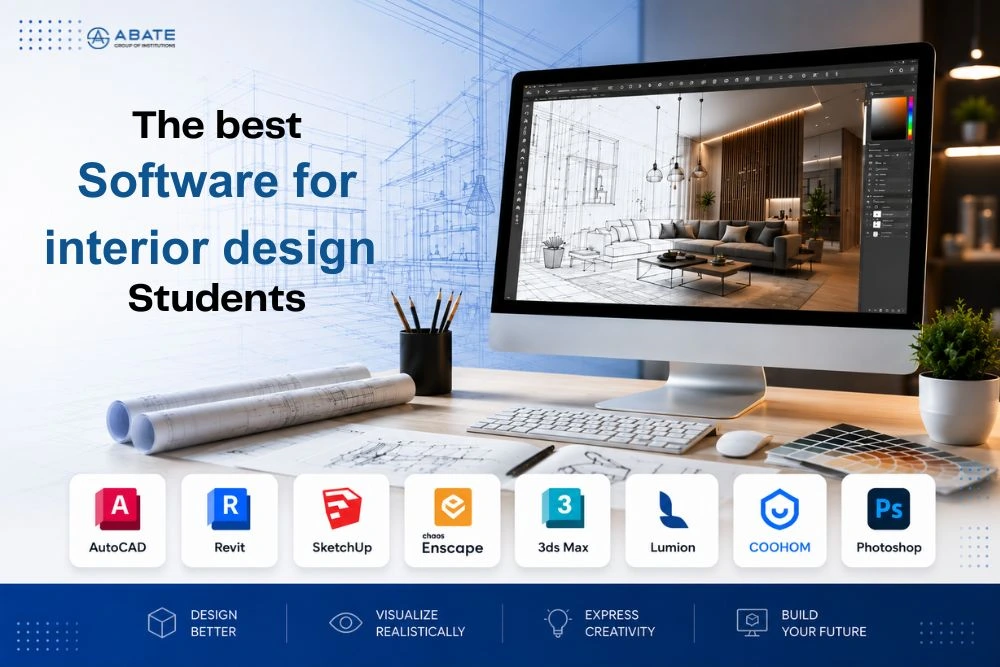
Basic knowledge of design tools like AutoCAD, SketchUp, or other software is helpful and usually taught during the course.
Documents Required for Admission
While applying for an interior design course, students typically need:
- 10th and 12th mark sheets
- ID proof
- Passport-size photographs
- Transfer certificate (if required)
Some institutions may ask for additional documents based on their admission process.
Course Duration and Types
Interior design courses are available in different formats:
- Diploma Courses: 1–2 years
- Undergraduate Courses (BSc Interior Design): 3 years
- Certificate Courses: Short-term programs
Students can choose based on their career goals and time availability.
What You Will Learn in an Interior Design Course
Interior design courses cover both theoretical and practical subjects, such as:
- Design principles and elements
- Space planning
- Materials and construction
- Lighting and color theory
- Furniture design
- Computer-aided design (CAD)
- Interior services and detailing
These subjects help students build strong design and technical skills. You can apply for the interior design course program at Abate for the 2026-2027 batch.
Why Choosing the Right Institution Matters
Meeting the basic requirements is only the first step. Choosing the right institution plays a major role in career success.
A good institute provides:
- Practical studio-based learning
- Experienced faculty guidance
- Exposure to real-world projects
- Industry-relevant curriculum
- Internship and career support
Institutions like Abate Group of Institutions, the best BSc interior design colleges in Malappuram, Calicut, and Kannur, focus on skill-based education, helping students gain both creative and practical expertise required in the interior design industry.
Career Opportunities After an Interior Design Course
After completing the course, students can explore careers such as:
- Interior Designer
- Residential Designer
- Commercial Space Designer
- Furniture Designer
- Visual Merchandiser
- Design Consultant
With experience, students can also start their own design practice.
Final Thoughts
Understanding the interior design course requirements helps students take the first step toward a successful career in design. The eligibility criteria are simple, but success in this field depends on creativity, skills, and the right learning environment.
With proper guidance, practical exposure, and dedication, students can build a rewarding career in interior design. Take time to explore your options and choose a course that aligns with your passion and future goals.