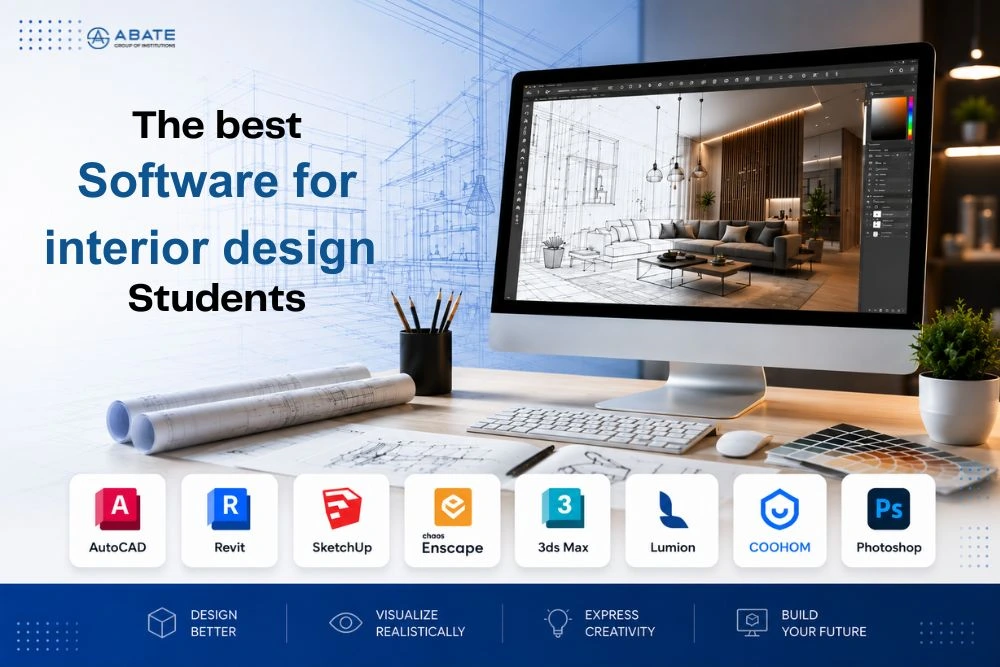
Why Skill-Based Education is Important for Today’s Students
 March 28, 2026
Education has always been considered the foundation of a successful career. However, in today’s fast-changing world, academic knowledge alone is no longer enough. Employers and industries now look for individuals who not only understand concepts but can also apply them in real-life situations. This is where skill-based education becomes essential.
Skill-based education focuses on developing practical abilities, problem-solving skills, and hands-on experience. It prepares students to face real-world challenges with confidence and competence. For today’s students, this approach is not just beneficial; it is necessary.
What is Skill-Based Education?
Skill-based education is a learning approach that emphasizes practical knowledge and real-world application rather than just theoretical understanding.
Instead of focusing only on textbooks, this method encourages students to:
- Learn through practical experiences
- Develop industry-relevant skills
- Solve real-life problems
- Gain hands-on training
It bridges the gap between education and employment, making students job-ready from the beginning of their careers.
Why Traditional Education Alone is Not Enough
Traditional education systems mainly focus on memorization, exams, and theoretical learning. While this builds a strong academic base, it often lacks practical exposure.
In today’s competitive job market, employers expect more than just degrees. They look for candidates who can:
- Communicate effectively
- Think critically
- Adapt to new technologies
- Work in real-world environments
Without these skills, even academically strong students may struggle to find the right opportunities.
Key Benefits of Skill-Based Education
1. Improves Employability
One of the biggest advantages of skill-based education is that it makes students job-ready. Practical training helps students understand how industries work, giving them an edge during job placements.
2. Builds Confidence
When students gain hands-on experience, they become more confident in their abilities. They are better prepared to handle real-life situations, whether in a workplace or in further studies.
3. Encourages Practical Learning
Learning by doing is far more effective than passive learning. Skill-based education allows students to apply what they learn, making concepts easier to understand and remember.
4. Enhances Problem-Solving Ability
Real-world situations often require quick thinking and decision-making. Skill-based education trains students to analyze problems and find practical solutions.
5. Keeps Students Industry-Ready
Industries are constantly evolving with new technologies and trends. Skill-based education ensures that students stay updated and relevant in their chosen fields.
Importance of Skill-Based Education in Different Fields
Skill-based learning is valuable across various disciplines:
- Healthcare: Practical training is essential for patient care and clinical accuracy.
- Architecture: Design studios and real-world projects help develop creativity and technical skills.
- Interior Design: Hands-on experience improves spatial understanding and creativity.
- Technology: Practical coding and project work are crucial for success in IT fields.
No matter the field, skills play a key role in building a successful career.
Role of Institutions in Promoting Skill-Based Education
Educational institutions play a crucial role in providing skill-based learning opportunities. A good institution focuses on both academic knowledge and practical exposure.
Institutions like Abate Group of Institutions emphasize skill-oriented education by integrating:
- Practical training sessions
- Industry exposure
- Internship opportunities
- Modern labs and studios
- Real-world project experience
Such an approach helps students not only learn concepts but also apply them effectively in professional environments. You will get the best optometry course in Malappuram at Abate Institution.
How Students Can Focus on Skill Development
Students can take active steps to develop their skills alongside academic studies:
- Participate in internships and workshops
- Work on real-world projects
- Practice communication and teamwork
- Learn new tools and technologies
- Stay updated with industry trends
Continuous learning and skill development are key to long-term success.
The Future of Education is Skill-Based
The future of education is shifting towards a more practical and application-oriented approach. With increasing competition and evolving industries, skill-based education is becoming the standard rather than an option.
Students who combine academic knowledge with practical skills are better prepared to adapt, grow, and succeed in their careers.
Final Thoughts
Skill-based education is no longer just an added advantage; it is a necessity for today’s students. It equips them with the tools needed to face real-world challenges, build successful careers, and stay relevant in a competitive environment.
By choosing the right course and studying in institutions that focus on practical learning, students can create a strong foundation for their future. With the right mix of knowledge and skills, success becomes not just a possibility but a reality.