Tele Optometry: Transforming Vision Care in the Digital Age
 January 15, 2026

The healthcare sector is rapidly evolving, and eye care is no exception. With advancements in digital technology and telemedicine, optometry services are now accessible beyond the walls of traditional clinics. Teleoptometry has emerged as a powerful solution to bridge the gap between patients and eye care professionals, especially in areas where access to vision care is limited. As demand for remote healthcare services continues to rise, tele optometry is reshaping how vision screening, diagnosis, and consultations are delivered.
This article explores what tele optometry is, how it works, its benefits, challenges, and why it is becoming an essential part of modern eye care.
What Is Tele Optometry?
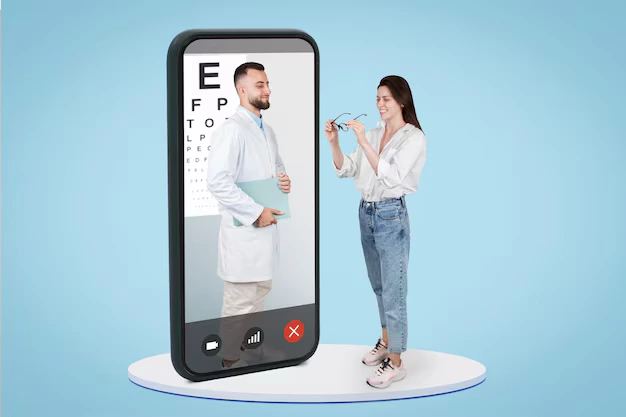
Tele optometry is the delivery of optometric services using digital communication technologies. It allows patients to receive eye care consultations, preliminary eye examinations, vision screenings, and follow-up services remotely, without the need to physically visit an eye clinic.
Using video conferencing, digital imaging, cloud-based diagnostic tools, and electronic health records, optometrists can evaluate eye conditions, provide professional advice, and determine whether in-person clinical intervention is required. Tele optometry is particularly valuable for routine vision assessments, early detection of eye conditions, and post-treatment monitoring.
How Tele Optometry Works
Teleoptometry typically follows a structured process. Patients connect with an optometrist through secure digital platforms. Vision-related data, such as eye images, refractive test results, or symptom descriptions, are shared for evaluation. In some cases, trained technicians at remote centers assist in capturing retinal images or conducting basic eye tests using digital equipment.
The optometrist reviews the collected information, interacts with the patient via video consultation, discusses symptoms, provides recommendations, and prescribes corrective measures when appropriate. If advanced clinical examination is required, the patient is referred to a physical eye care facility.
This combination of remote data collection and professional evaluation ensures that quality eye care is delivered efficiently and safely.
The Rise of Tele Optometry
Several factors have contributed to the growth of teleoptometry. Increasing internet penetration, availability of smart devices, and advancements in digital diagnostic equipment have made remote eye care practical and reliable. Additionally, the global push toward telemedicine has encouraged healthcare providers to integrate remote services into routine care.
Tele optometry has proven especially valuable in rural and underserved regions, where access to qualified eye care professionals may be limited. It also benefits elderly patients, individuals with mobility challenges, and busy professionals who find it difficult to attend in-person consultations.
Benefits of Tele Optometry
Improved Access to Eye Care
One of the biggest advantages of teleoptometry is improved accessibility. Patients in remote locations can connect with qualified optometrists without travelling long distances. This helps reduce delays in diagnosis and treatment.
Convenience and Time Efficiency
Remote consultations save time for both patients and practitioners. Appointments can be scheduled flexibly, waiting times are reduced, and follow-ups become more manageable.
Early Detection of Eye Conditions
Regular remote screenings allow early identification of refractive errors, diabetic retinopathy, glaucoma risks, and other eye health concerns. Early detection leads to timely referrals and better treatment outcomes.
Cost-Effective Care
Tele optometry reduces travel expenses and operational costs associated with in-clinic visits. This makes basic eye care services more affordable for a larger population.
Continuity of Care
Patients undergoing treatment or using corrective lenses benefit from easy follow-up consultations. Progress monitoring becomes simpler through digital records and regular remote check-ins.
Common Services Offered Through Tele Optometry
Tele optometry supports a range of eye care services, including:
- Vision screening and preliminary eye assessments
- Consultation for refractive errors
- Follow-up after eye treatments or surgeries
- Diabetic eye screening evaluations
- Prescription renewals for eyewear
- Patient education and eye health guidance
While teleoptometry does not replace comprehensive in-clinic eye examinations, it plays a crucial role in screening and guidance.
Challenges and Limitations
Despite its advantages, teleoptometry has certain limitations.
Accurate diagnosis of complex eye conditions often requires specialised equipment and physical examination. Technical issues such as poor internet connectivity or low-quality imaging can affect assessment accuracy. Data privacy and cybersecurity are also important concerns, requiring secure platforms to protect patient information.
Additionally, patients unfamiliar with digital tools may require assistance in using teleoptometry platforms effectively.
Role of Technology in Tele Optometry
Technology is at the core of teleoptometry. High-resolution retinal cameras, auto-refractors, optical coherence tomography (OCT) devices, and cloud-based medical record systems enable remote data sharing and analysis.
Artificial intelligence is also being integrated into teleoptometry for automated image analysis and risk detection. These innovations are improving diagnostic accuracy and supporting optometrists in delivering faster and more reliable care.
Career Scope in Tele Optometry
As teleoptometry continues to expand, it is creating new career opportunities for optometrists and vision care professionals. Graduates in optometry are now required to develop skills not only in clinical practice but also in digital diagnostics, teleconsultation management, and remote patient care.
This shift highlights the growing importance of technology-driven optometry education, preparing students for future healthcare models.
Optometry Education and Digital Eye Care
Modern optometry education increasingly includes exposure to telemedicine practices, digital diagnostic tools, and remote consultation methods. Understanding teleoptometry is now an essential part of professional training, ensuring future optometrists can adapt to evolving patient needs.
Institutions offering optometry programs play a vital role in preparing students for these advancements through updated curricula and practical training environments.
How BSc Optometry Can Prepare You to Become a Tele Optometrist
The rapid rise of digital healthcare has created new career paths for optometry graduates, and teleoptometry is one of the most promising among them. A BSc in Optometry provides the academic foundation and clinical knowledge required to practice modern vision care, while also equipping students with the skills needed to adapt to technology-driven healthcare environments.
During optometry education, students learn about ocular anatomy, vision testing, refraction techniques, eye disease detection, and patient care practices. These core competencies are essential for both in-clinic and remote eye care services. As teleoptometry becomes more widely adopted, optometrists are increasingly expected to interpret digital diagnostic reports, analyze retinal images remotely, conduct virtual consultations, and guide patients through remote vision assessments.
BSc Optometry programs also introduce students to digital diagnostic instruments and electronic health record systems, which are central to teleoptometry practice. With additional exposure to telemedicine platforms and remote consultation procedures, graduates can confidently take on roles as Tele Optometrists, offering professional eye care services through virtual channels.
This career path allows optometrists to work in telemedicine companies, digital eye care platforms, remote vision screening centers, hospitals with telehealth departments, and independent online consultation services. As demand for accessible eye care grows, teleoptometrists are becoming key contributors in delivering timely and efficient vision care to diverse populations.
For students seeking a future-ready profession in eye healthcare, BSc Optometry opens doors not only to traditional clinical practice but also to emerging opportunities in teleoptometry.
Optometry Education at Abate Group of Institutions
The Abate Group of Institutions is recognized for offering career-focused academic programs in healthcare and design education. With Bsc optometry colleges in Kerala and Chennai, Abate provides structured learning environments that combine theoretical knowledge with practical skill development.
The BSc Optometry program at Abate is designed to build strong clinical foundations, diagnostic expertise, and patient care competence. Students receive hands-on training with modern optometry equipment and learn contemporary eye care practices aligned with current healthcare standards.
As digital eye care and tele optometry continue to expand, this academic approach equips students with the knowledge and adaptability required for emerging professional roles in vision care.
Conclusion
Teleoptometry is transforming the way eye care services are delivered. By combining technology with professional expertise, it expands access to vision care, enhances early detection of eye conditions, and supports efficient patient management. While it does not replace comprehensive clinical eye examinations, it serves as a powerful complementary service in modern healthcare.
As digital health continues to evolve, teleoptometry will remain an integral part of the future of vision care, creating new opportunities for patients and professionals alike.