Syllabus of Interior Design Course: Semester-Wise Curriculum Explained
 January 8, 2026

Interior design is a dynamic field that blends creativity, technical knowledge, and practical execution. A well-structured interior design syllabus plays a crucial role in shaping skilled professionals who can design functional, aesthetic, and sustainable spaces. The interior design course syllabus is carefully designed to take students from basic design concepts to advanced space planning, construction detailing, and professional practice.
This blog provides a detailed semester-wise breakdown of the interior design course syllabus, helping aspiring designers understand what they will learn at each stage of the program.
Overview of the Interior Design Course Syllabus
The interior design course follows a studio-based learning approach, combining theory subjects with hands-on practical sessions. Students are exposed to real-world design challenges, materials, construction methods, lighting concepts, and computer-aided design tools. Communication skills, environmental responsibility, and professional ethics are also integral parts of the curriculum.
Semester 1: Foundations of Interior Design
Semester 1 introduces students to the fundamentals of design, materials, and visual representation. The focus is on developing creativity, spatial understanding, and communication skills.
Subjects Covered
Part I – Hindi I
Enhances basic language proficiency and expression.
Part II – English: Prose and Communication Skills
Builds strong communication skills essential for client interaction, presentations, and design documentation.
Theory of Design
Introduces design principles such as balance, proportion, rhythm, harmony, and scale, which form the foundation of interior design.
Materials and Construction – I (Studio Practical)
Covers basic construction materials and methods used in interior spaces, helping students understand material applications.
Graphics – I (Studio Practical)
Develops drawing and visualization skills, including basic drafting techniques.
Design Studio – I (Studio Practical)
Students design a small office space with a meeting area and lobby, focusing on:
- Space planning
- Lighting concepts
- Colour schemes
- Basic service planning
Semester 2: Understanding Interior Spaces
Semester 2 expands on spatial awareness, sustainability, and residential interiors.
Subjects Covered
Part I – Hindi II
Builds upon language skills for better comprehension and expression.
Part II – English: Prose, Extensive Reading, and Communication Skills
Strengthens professional communication and presentation abilities.
Elements of Interior Spaces
Explores floors, walls, ceilings, furniture, and spatial relationships.
Environmental Studies
Introduces sustainable design principles and environmental responsibility.
Materials and Construction – II (Studio Practical)
Advanced study of interior materials, finishes, and construction techniques.
Graphics – II (Studio Practical)
Focuses on technical drawings such as plans, elevations, and sections.
Design Studio – II (Studio Practical)
Students design a residential interior, emphasizing comfort, functionality, and aesthetics.
Semester 3: Public Space Design and Digital Skills
Semester 3 emphasizes public interiors and digital design tools.
Subjects Covered
Part II – Communication Skills
Enhances professional communication, client handling, and presentation skills.
Interior Services – I
Introduces electrical, plumbing, HVAC, and safety systems used in interior spaces.
Computer Aided Graphics (Studio Practical)
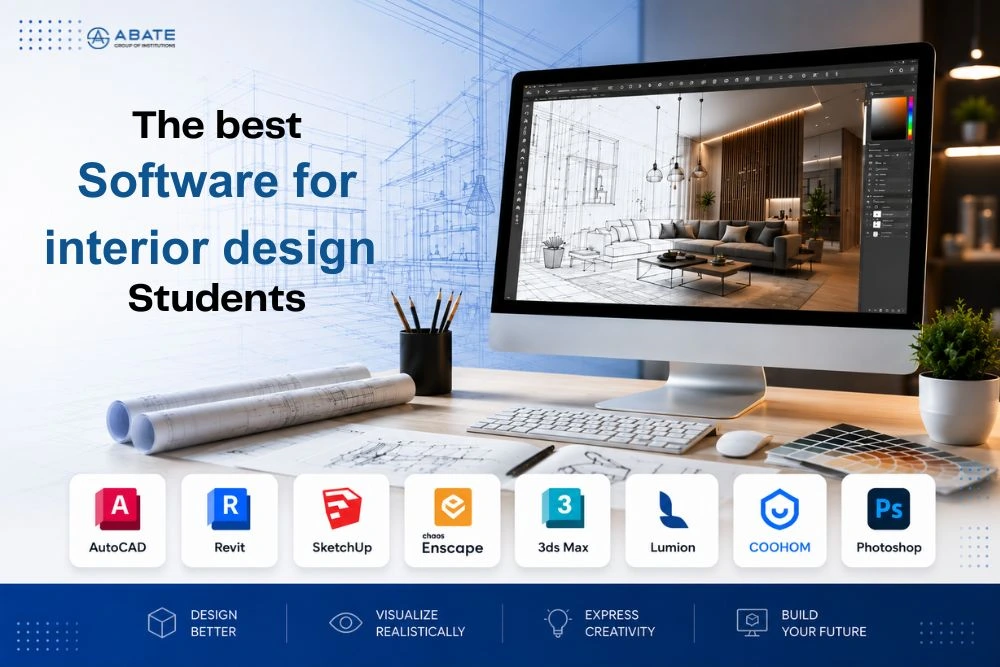
Training in computer-aided design software for interior visualization and drafting.
Furniture Design (Studio Practical)
Covers furniture ergonomics, materials, and design development.
Design Studio – III (Studio Practical)
Design of public gathering spaces such as:
- Auditoriums
- Hotel lobbies
- Banquet halls
- Waiting lounges
Semester 4: Commercial Interior Design and Detailing
Semester 4 focuses on advanced construction detailing and commercial space planning.
Subjects Covered
Part II – English IV: Employability Skills
Develops workplace communication and professional skills.
Value Education
Introduces ethics, professionalism, and social responsibility.
Lighting and Colours in Interiors
Explores lighting design concepts and colour psychology in interior spaces.
Interior Services – II
Advanced interior service systems and coordination.
Interior Construction & Detailing
Covers detailed construction drawings, joinery, and execution methods.
Design Studio – IV
Design of large-scale commercial spaces, emphasizing planning efficiency and user experience.
Semester 5: Professional Internship
Semester 5 is dedicated to professional internship training. Students gain real-world exposure by working with:
- Interior design firms
- Architecture studios
- Construction and project management teams
This semester bridges academic learning with industry practices.
Semester 6: Specialization and Thesis
The final semester prepares students for professional practice and specialization.
Subjects Covered
Interior Project Management
Introduces budgeting, scheduling, coordination, and execution of interior projects.
Elective (A) – Interior Scape and Gardening Studio
Focuses on interior landscaping and green design elements.
Thesis
Students undertake an independent design project that demonstrates their creativity, technical skills, and problem-solving abilities.
Key Highlights of the Interior Design Course Syllabus
- Strong focus on studio-based practical learning
- Exposure to residential, commercial, and public space design
- Training in computer-aided design tools
- Emphasis on materials, construction, and detailing
- Industry exposure through professional internship
- Final thesis to showcase design expertise
Career Scope After Completing the Interior Design Course
Graduates of the interior design course can pursue careers as:
- Interior Designers
- Space Planners
- Furniture Designers
- Lighting Consultants
- Design Visualizers
- Project Coordinators
The comprehensive syllabus ensures students are industry-ready and adaptable to evolving design trends.
Interior Design Education at Abate Institute
The Interior Design course at Abate Institute is designed to provide students with a strong academic foundation and extensive practical exposure. The syllabus followed by Abate Institute is carefully structured to meet current industry requirements, combining design theory, studio practice, construction knowledge, and professional skills development. Abate Institute provide best interior design course in Kerala for a better career.
With campuses across Kerala, Abate Institute offers a learning environment supported by experienced faculty, well-equipped design studios, and industry-oriented teaching methods. The curriculum ensures that students gain hands-on experience in designing residential, commercial, and public spaces while developing strong visualization and technical skills.