JEE for Architecture: Complete Guide to JEE Main Paper 2A for B.Arch Aspirants
 February 14, 2026
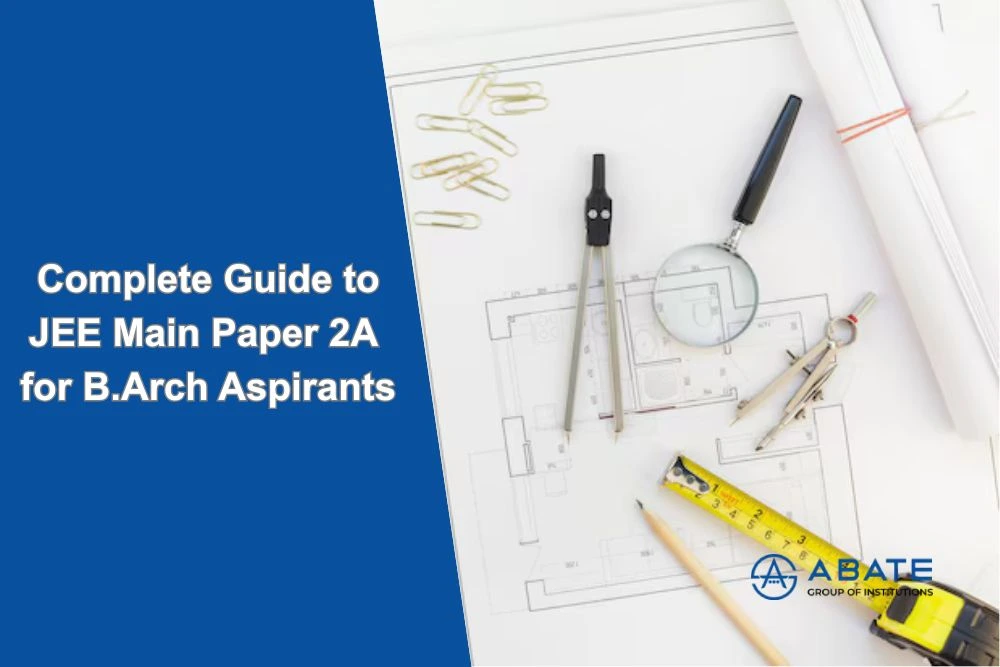
For students who dream of becoming architects, the journey begins with clearing the right entrance examination. One of the most important entrance exams for architecture aspirants in India is JEE Main Paper 2A, commonly known as JEE for Architecture. This examination serves as a gateway to prestigious Bachelor of Architecture (B.Arch) programs across the country.
Architecture is not just about designing buildings—it is about creating functional, sustainable, and aesthetically pleasing spaces that shape how people live and interact. To succeed in this field, students must possess creativity, analytical thinking, and technical knowledge. JEE for Architecture is designed to evaluate exactly these qualities.
In this guide, we will explore everything you need to know about JEE for Architecture, including the exam pattern, eligibility criteria, preparation strategies, and career opportunities.
What is JEE for Architecture?
JEE for Architecture refers to JEE Main Paper 2A, conducted by the National Testing Agency (NTA). It is specifically designed for students seeking admission into B.Arch programs in recognized architecture institutions across India.
Unlike engineering aspirants who appear for JEE Main Paper 1, architecture candidates must attempt Paper 2A. The exam tests mathematical ability, aptitude, drawing skills, and architectural awareness. The goal is to assess whether a student has the foundational skills required for professional architectural education.
A good score in JEE Main Paper 2A opens opportunities to pursue B.Arch degrees at reputed institutions.
JEE Main Paper 2A Exam Pattern
Understanding the exam structure is essential for effective preparation. JEE for Architecture is divided into three major sections:
1. Mathematics
This section evaluates problem-solving skills and conceptual clarity. Topics generally include:
- Algebra
- Calculus
- Coordinate Geometry
- Trigonometry
- Statistics and Probability
Mathematics requires speed, accuracy, and strong fundamentals. Regular practice and mock tests are essential to score well in this section.
2. Aptitude Test
The aptitude section tests logical reasoning, visual perception, and mental ability. It may include:
- 3D object visualization
- Architectural awareness
- Analytical reasoning
- Pattern recognition
- Spatial understanding
This section measures how well candidates can interpret and analyze shapes, forms, and spaces—skills that are crucial in architecture.
3. Drawing Test
The drawing section is one of the most important parts of JEE for Architecture. It evaluates creativity and design thinking.
Students may be asked to:
- Draw scenes in perspective
- Create compositions with specific themes
- Sketch objects maintaining proportion and scale
- Demonstrate shading and detailing
Clarity, neatness, and effective space utilization are key to scoring high in this section.
Eligibility Criteria for JEE for Architecture
Before applying, students must ensure they meet the eligibility requirements:
- Completion of 10+2 or equivalent examination
- Physics, Chemistry, and Mathematics as core subjects
- Minimum qualifying marks as prescribed by authorities
It is important to check official guidelines each year to stay updated on any changes.
How to Prepare for JEE for Architecture
Preparation for JEE for Architecture requires a balanced strategy that covers both analytical and creative skills.
1. Strengthen Mathematics Concepts
Mathematics forms a significant portion of the exam. Focus on:
- Conceptual clarity
- Solving previous year question papers
- Practicing timed mock tests
- Improving speed and accuracy
Daily problem-solving practice builds confidence.
2. Practice Drawing Regularly
Drawing cannot be mastered overnight. It requires continuous practice.
Tips for improvement:
- Practice one-point and two-point perspective drawings
- Sketch everyday objects and environments
- Focus on proportion and composition
- Avoid excessive detailing; maintain clarity
- Practice completing drawings within time limits
Developing a habit of daily sketching improves both speed and creativity.
3. Improve Architectural Awareness
Stay updated with architectural trends and history.
- Learn about famous architects and iconic buildings
- Understand sustainable architecture concepts
- Observe urban planning and space usage around you
- Read architecture-related articles and blogs
This knowledge helps in the aptitude section and builds a strong foundation for B.Arch studies.
4. Take Mock Tests Seriously
Mock tests simulate real exam conditions. They help students:
- Manage time effectively
- Identify weak areas
- Reduce exam anxiety
- Improve overall performance
Consistency in taking mock tests significantly increases exam readiness.
Difference Between JEE for Architecture and NATA
Many students wonder whether to choose JEE or NATA. Both exams are valid for B.Arch admission.
- JEE Main Paper 2A emphasizes mathematics along with drawing and aptitude.
- NATA focuses more on design aptitude and creative skills.
Some students attempt both exams to maximize their admission opportunities.
Career Scope After Clearing JEE for Architecture
Clearing JEE for Architecture allows students to enroll in a B.Arch program, which opens diverse career paths such as:
- Architect
- Interior Designer
- Urban Planner
- Landscape Architect
- Project Consultant
- Architectural Visualizer
- Sustainable Design Specialist
With rapid urban development, infrastructure growth, and emphasis on eco-friendly buildings, architecture remains a promising and respected profession.
After Clearing JEE: Begin Your Architecture Journey at Abate Institute
Clearing JEE for Architecture is only the first milestone. Choosing the right institution is equally important in shaping your professional future.
At Abate Institute, one of the best B Arch colleges in Kerala, the B.Arch program is designed to nurture creative thinking, technical knowledge, and practical exposure. The institute emphasizes:
- Studio-based learning from the first year
- Strong foundation in design and construction
- Training in computer-aided architectural design (CAAD)
- Exposure to sustainable and climate-responsive architecture
- Internship opportunities and industry interaction
Students who qualify for JEE Main Paper 2A can apply to pursue their B.Arch degree at Abate Institute and gain access to structured academic guidance, experienced faculty, and modern infrastructure.
Final Thoughts
JEE for Architecture is a competitive yet achievable entrance exam for students passionate about design and construction. With consistent preparation, regular drawing practice, and strong mathematical understanding, aspirants can secure a good score and move closer to their dream career.
Architecture demands creativity, technical expertise, and problem-solving skills. Preparing strategically for JEE Main Paper 2A ensures that students build these qualities from the very beginning.
Start early, stay disciplined, and practice success in JEE for Architecture is within reach for those who prepare smartly and confidently.