How to Become a Pediatric Optometrist: Complete Career Guide
 February 23, 2026
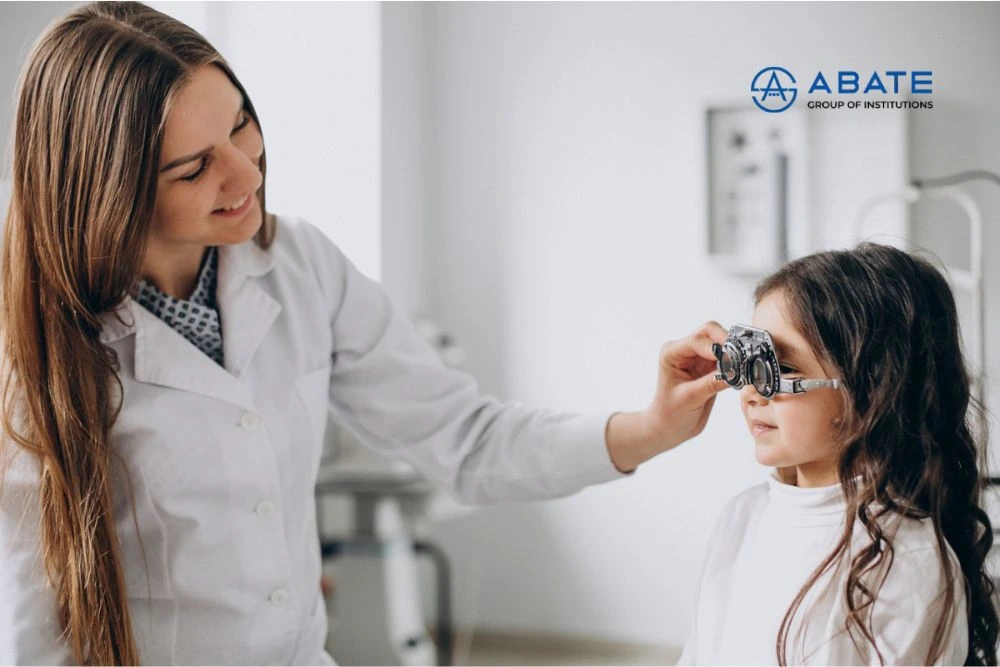
Pediatric optometry is a specialized field of eye care that focuses on diagnosing and managing vision problems in infants, children, and teenagers. Pediatric optometrists play a vital role in ensuring proper visual development during childhood, which directly affects learning, behavior, and overall development.
With increasing awareness about children's eye health and digital eye strain, the demand for pediatric optometrists is growing rapidly. This guide explains how to become a pediatric optometrist, including educational requirements, skills needed, career opportunities, and professional growth options.
Who is a Pediatric Optometrist?
A pediatric optometrist is an eye care professional who specializes in examining and treating vision problems in children. Unlike general optometrists, pediatric optometrists focus on the unique visual needs of young patients.
They diagnose and manage conditions such as:
- Refractive errors (myopia, hyperopia, astigmatism)
- Lazy eye (amblyopia)
- Squint (strabismus)
- Eye coordination problems
- Learning-related vision issues
- Digital eye strain in children
Pediatric optometrists also monitor visual development and provide early treatment to prevent long-term vision problems.
Step 1: Complete Higher Secondary Education
The first step toward becoming a pediatric optometrist is completing higher secondary education (10+2 or equivalent).
Students should preferably choose the science stream with Biology and Physics, as these subjects provide a strong foundation for optometry studies.
Important subjects include:
- Biology
- Physics
- Chemistry
- Mathematics (optional but beneficial)
A strong academic background helps in understanding vision science and eye anatomy.
Step 2: Enroll in a BSc Optometry Program
The most important step in becoming a pediatric optometrist is completing a Bachelor of Science in Optometry (BSc Optometry).
This undergraduate program usually takes 3 to 4 years, including academic study and clinical training. The course provides comprehensive knowledge about eye anatomy, visual optics, eye diseases, and vision testing techniques.
What You Learn in BSc Optometry
Typical subjects include:
- General anatomy and physiology
- Ocular anatomy and physiology
- Physical and geometrical optics
- Visual optics
- Optometric instruments
- Ocular diseases
- Contact lenses
- Binocular vision
- Pediatric and geriatric optometry
- Low vision care
Students also undergo clinical training and internships, which provide hands-on experience in eye examination and patient care.
A BSc Optometry degree is the foundation required to pursue specialisation in pediatric optometry. If you are interested in BSc Optometry colleges in Kerala, Abate Institute is the best option for a better learning experience. Or you can join Abate’s Doctor of Optometry program in Chennai.
Step 3: Gain Clinical Experience
After completing a BSc Optometry degree, gaining clinical experience is essential.
Working in:
- Eye hospitals
- Vision clinics
- Pediatric eye care centres
- Optical clinics
helps develop practical skills in examining children's eyes and handling young patients effectively.
Hands-on experience improves diagnostic ability and confidence.
Step 4: Specialise in Pediatric Optometry
To become a pediatric optometrist, specialisation is highly recommended.
Specialisation can be achieved through:
- Postgraduate optometry programs
- Fellowship programs
- Clinical training in pediatric eye care
- Workshops and certification courses
Specialised training focuses on:
- Pediatric vision assessment
- Binocular vision testing
- Vision therapy
- Amblyopia management
- Pediatric contact lenses
- Developmental vision problems
This advanced knowledge allows optometrists to provide specialised care for children.
Step 5: Develop Essential Skills
Being a pediatric optometrist requires more than academic knowledge.
Important Skills Include
-
Communication Skills
Children require simple explanations and a friendly approach. Good communication helps build trust with both children and parents.
-
Patience
Eye examinations for children require patience and flexibility.
-
Observation Skills
Pediatric optometrists must identify subtle visual problems that children may not be able to explain.
-
Clinical Accuracy
Accurate diagnosis is essential for proper treatment.
-
Child-Friendly Approach
Creating a comfortable environment helps children cooperate during eye examinations.
Step 6: Obtain Professional Registration
In many regions, optometrists must register with relevant professional bodies or councils before practising independently.
Registration requirements vary depending on the country or region.
Professional registration ensures that the optometrist meets the required standards of education and clinical training.
Step 7: Start Your Career as a Pediatric Optometrist
After completing education and training, pediatric optometrists can work in various settings.
Career Opportunities
- Eye hospitals
- Pediatric eye clinics
- Multispecialty hospitals
- Vision therapy centers
- Optical chains
- Schools and screening programs
Some optometrists eventually start their own clinics.
Common Conditions Treated by Pediatric Optometrists
Pediatric optometrists manage a wide range of eye conditions, including:
- Nearsightedness (myopia)
- Farsightedness (hyperopia)
- Astigmatism
- Lazy eye
- Crossed eyes
- Eye focusing problems
- Eye coordination issues
- Computer vision syndrome in children
Early treatment helps prevent long-term vision problems.
Career Growth and Future Scope
Pediatric optometry offers excellent career growth opportunities.
Growing factors include:
- Increased screen time among children
- Rising awareness of eye health
- School vision screening programs
- Early diagnosis of vision disorders
Experienced pediatric optometrists can advance into:
- Clinical specialists
- Vision therapy experts
- Academic faculty
- Researchers
- Clinical consultants
The field continues to expand with new diagnostic technologies and treatment methods.
Salary and Career Prospects
Salaries vary based on experience, location, and workplace.
Entry-level optometrists can work as clinical assistants or junior optometrists. With experience and specialisation, pediatric optometrists can earn significantly higher incomes.
Private practice also offers strong earning potential.
Why Pediatric Optometry is a Rewarding Career
Pediatric optometry is not only a stable healthcare profession but also a meaningful career.
Helping children improve their vision directly impacts:
- Academic performance
- Confidence
- Learning ability
- Quality of life
Early vision correction can make a lifelong difference.
Final Thoughts
Becoming a pediatric optometrist requires dedication, proper education, and clinical training. Starting with a BSc Optometry degree and gaining specialised experience allows optometrists to build a successful career in pediatric eye care.
With growing demand for children's eye health services, pediatric optometry offers excellent career opportunities and professional growth. Students interested in healthcare and working with children can find pediatric optometry to be a highly rewarding profession.