How Practical Training Helps Interior Design Students
 May 23, 2026

Interior design is a creative and skill-oriented profession that requires more than theoretical knowledge. While classroom learning helps students understand design concepts and principles, practical training is what transforms knowledge into real-world expertise. From creating layouts to understanding client requirements and working with materials, practical exposure plays a major role in shaping successful interior designers.
For students pursuing a career in design, understanding how practical training helps interior design students is essential. Practical learning not only improves technical abilities but also builds confidence, creativity, and industry readiness. Read this blog from the best BSc interior design colleges in Malappuram, to know about practical training in Interior design.
Why Practical Training is Important in Interior Design
Interior design is a field where students must learn how to apply ideas in real spaces. Practical training helps bridge the gap between academic learning and professional work environments.
Instead of only studying theories, students gain opportunities to:
- Work on live projects
- Understand design execution
- Improve technical skills
- Develop problem-solving abilities
- Interact with real clients and professionals
This hands-on experience helps students understand how the interior design industry actually works.
Transforms Creativity into Real-World Skills
Many students entering interior design courses are naturally creative. However, practical training teaches them how to turn creative ideas into functional and professional designs.
Students learn:
- Space planning techniques
- Furniture placement
- Material selection
- Lighting arrangements
- Color coordination
By working on practical assignments and studio projects, students understand how design concepts are implemented in real environments.
Improves Technical Knowledge
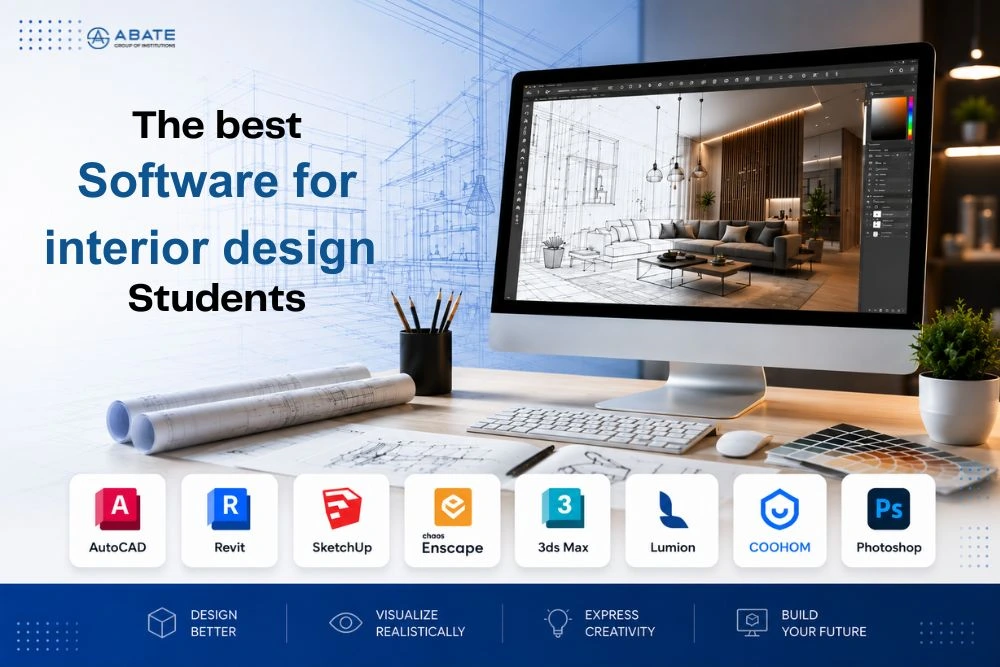
Modern interior design relies heavily on technical tools and digital software. Practical training gives students direct exposure to industry-standard technologies and design methods.
Students gain experience in:
- AutoCAD
- SketchUp
- 3D visualization tools
- Drafting techniques
- Design presentations
Learning these tools through hands-on practice improves accuracy, efficiency, and professional confidence.
Helps Students Understand Real Project Challenges
Every interior design project comes with challenges such as:
- Space limitations
- Budget restrictions
- Material availability
- Client expectations
Practical training allows students to face and solve these real-world issues. This develops critical thinking and decision-making skills that are essential for professional success.
Builds Confidence and Communication Skills
Interior designers constantly communicate with clients, architects, contractors, and suppliers. Practical exposure helps students improve communication and presentation skills.
Students learn how to:
- Explain design concepts clearly
- Present ideas professionally
- Handle client feedback
- Work in teams
These experiences help students become more confident in professional environments.
Provides Industry Exposure
Practical training often includes internships, workshops, site visits, and live projects. This exposure helps students understand industry standards, workflows, and professional expectations.
By visiting construction sites and interacting with industry professionals, students gain valuable insights into:
- Interior execution processes
- Material applications
- Site management
- Current design trends
This industry exposure makes students better prepared for future careers.
Encourages Creative Problem Solving
Interior design is not just about aesthetics. Designers must also solve functional and practical problems.
Practical training teaches students how to:
- Maximize small spaces
- Improve functionality
- Balance aesthetics and usability
- Create client-focused designs
These problem-solving abilities become stronger through continuous practice and project work.
Enhances Portfolio Development
A strong portfolio is essential for interior design students. Practical projects provide students with real design work that can be added to their portfolio.
A portfolio may include:
- Residential projects
- Commercial space designs
- Furniture concepts
- 3D visualizations
- Studio assignments
A well-developed portfolio improves career opportunities and helps students showcase their creativity and technical expertise.
Prepares Students for Career Opportunities
Practical training helps students become industry-ready before graduation. Employers often prefer candidates who have hands-on experience and understand professional workflows.
Students with practical exposure can pursue careers such as:
- Interior Designer
- Space Planner
- Furniture Designer
- Visual Merchandiser
- Design Consultant
Practical learning also helps students who wish to start freelance or independent design careers.
Role of Institutions in Practical Learning
The quality of practical training largely depends on the institution students choose. A good interior design institute focuses on:
- Studio-based learning
- Real-world projects
- Design workshops
- Industry interaction
- Internship opportunities
Institutions like Abate Group of Institutions emphasize skill-based education and practical exposure, helping students build creative confidence and professional expertise in interior design. At Abate's interior design course, you will get global exposure with international industrial visits.
Practical Training vs Theoretical Learning
Both theory and practical learning are important in interior design. Theoretical knowledge helps students understand design principles, while practical training teaches them how to apply those principles effectively.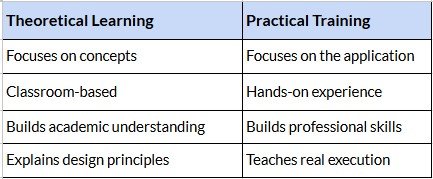
The combination of both creates a strong foundation for a successful career.
Why Practical Skills Matter in Today’s Design Industry
The interior design industry is becoming more competitive and technology-driven. Clients expect designers to deliver creative, functional, and professional results.
Practical skills help students:
- Adapt to industry changes
- Work efficiently
- Deliver better designs
- Handle professional responsibilities
This makes practical learning one of the most important parts of interior design education.
Final Thoughts
Understanding how practical training helps interior design students highlights why hands-on learning is essential in design education. Practical exposure develops creativity, technical expertise, communication skills, and professional confidence.
For aspiring designers, choosing a course that offers strong practical training can make a major difference in career growth and industry readiness. With the right guidance, continuous practice, and real-world experience, students can build a successful and rewarding future in interior design.