Bachelor of Optometry: A Complete Guide for Aspiring Eye Care Professionals
 May 25, 2026
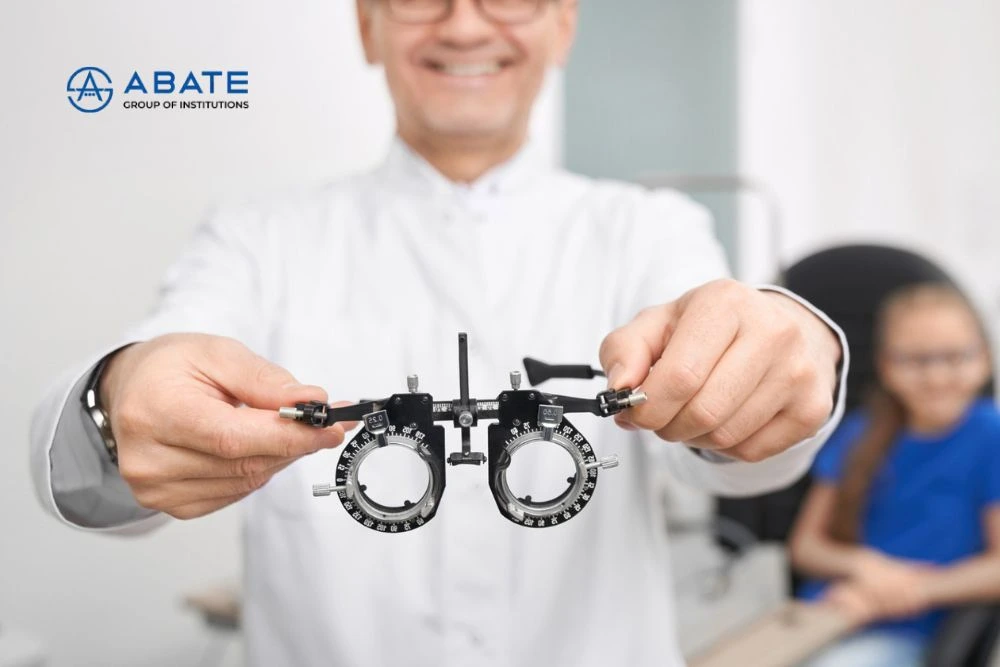
The healthcare industry is rapidly evolving, and eye care has become one of the most important sectors within modern healthcare. With increasing screen usage, digital lifestyles, and growing awareness about vision health, the demand for skilled optometrists is rising significantly across hospitals, eye clinics, and optical industries.
For students who are passionate about healthcare and interested in vision science, pursuing a Bachelor of Optometry can open the door to a rewarding and future-focused career. The course combines scientific knowledge, clinical expertise, and patient care skills to prepare students for professional practice in eye care.
This guide explains everything students should know about the Bachelor of Optometry course, including eligibility, duration, subjects, practical training, career opportunities, and future scope.
What is a Bachelor of Optometry?
Bachelor of Optometry is a professional undergraduate healthcare program focused on eye care, visual science, diagnosis of vision problems, and management of eye-related conditions. The course trains students to become qualified optometry professionals capable of conducting eye examinations, detecting visual abnormalities, and providing corrective and preventive eye care.
Optometrists play a crucial role in healthcare by helping people maintain healthy vision and improve their quality of life.
The course combines:
- Theoretical learning
- Practical laboratory sessions
- Clinical exposure
- Internship-based training
This balanced approach helps students develop both academic knowledge and hands-on clinical expertise.
Duration of Bachelor of Optometry
The Bachelor of Optometry course is generally offered as a 5-year professional program, which includes:
- 4 years of academic education
- 1 year compulsory clinical internship
The internship period provides students with real-world clinical exposure and practical experience in patient care and diagnostics.
Eligibility Criteria for Bachelor of Optometry
Students who wish to pursue a Bachelor of Optometry typically need to meet the following eligibility requirements:
Educational Qualification
- Completion of Plus Two or equivalent examination
- Science stream with Physics, Chemistry, Biology/Mathematics
Minimum Marks
- Minimum qualifying marks as specified by the institution
Some institutions may also conduct interviews or admission-based evaluations.
Why Choose a Bachelor of Optometry?
Optometry has emerged as one of the most promising healthcare careers due to increasing awareness about eye health and growing demand for vision care professionals.
1. Growing Demand for Eye Care Professionals
Modern lifestyles and increased screen exposure have led to rising vision-related issues, increasing the need for trained optometrists.
2. Career Stability
Healthcare professions generally offer long-term career stability, and optometry is no exception.
3. Skill-Based Healthcare Profession
The course focuses heavily on practical and clinical learning, helping students become industry-ready professionals.
4. Opportunity to Improve Lives
Optometrists directly help patients improve their vision, eye health, and overall quality of life.
Subjects Covered in the Bachelor of Optometry
The curriculum is designed to provide students with strong foundations in vision science and clinical eye care.
Some of the major subjects include:
- General Anatomy & Physiology
- Ocular Anatomy & Physiology
- Physical Optics
- Geometrical Optics
- Visual Optics
- Optometric Instruments
- Contact Lens
- Ocular Diseases
- Binocular Vision
- Clinical Optometry
- Pediatric Optometry
- Geriatric Optometry
- Low Vision Aids
- Pharmacology
- Community Optometry
The syllabus combines theoretical concepts with practical applications to develop comprehensive clinical knowledge.
Importance of Clinical Training in Optometry
Clinical exposure is one of the most important components of optometry education. Students must learn how to interact with patients, conduct eye examinations, and use diagnostic instruments effectively.
Practical training helps students:
- Understand real patient care
- Improve diagnostic skills
- Gain confidence in clinical environments
- Learn advanced eye examination techniques
- Develop professional communication skills
Hands-on learning bridges the gap between classroom education and real-world healthcare practice.
Practical Learning and Clinical Exposure
A quality optometry program focuses strongly on practical education. Students receive training through:
- Clinical demonstrations
- Laboratory sessions
- Eye examination practice
- Patient interaction
- Specialty clinics
- Hospital-based exposure
This practical approach helps students build the technical confidence required in modern eye care settings.
Skills Required for a Career in Optometry
Students pursuing a Bachelor of Optometry should develop both technical and interpersonal skills.
1. Attention to Detail
Optometrists must carefully analyse visual problems and diagnostic results.
2. Communication Skills
Clear communication helps in understanding patient concerns and explaining treatment options.
3. Clinical and Technical Skills
Knowledge of diagnostic tools and optometric instruments is essential.
4. Problem-Solving Ability
Every patient presents unique visual conditions and eye care needs.
5. Patience and Compassion
Healthcare professionals must provide patient-centred care with empathy and professionalism.
Advanced Technology in Optometry Education
Modern optometry education integrates advanced diagnostic and clinical technologies. Students gain exposure to:
- Digital eye examination systems
- Retinal imaging technologies
- Contact lens fitting systems
- Vision testing instruments
- Computer-based diagnostic tools
This exposure helps students stay updated with current industry practices.
Career Opportunities After a Bachelor of Optometry
Bachelor of Optometry graduates can explore diverse career opportunities in healthcare and vision science.
Career Options Include:
- Clinical Optometrist
- Pediatric Optometrist
- Contact Lens Specialist
- Vision Consultant
- Low Vision Specialist
- Eye Care Consultant
- Optical Industry Professional
- Research Assistant
- Academic Faculty
Graduates can work in:
- Eye hospitals
- Multi-speciality healthcare centres
- Optical industries
- Research organizations
- Vision care clinics
- Educational institutions
Higher Studies and Fellowship Opportunities
After completing the course, students can pursue advanced training and specialisation programs such as:
- Fellowship in Clinical Optometry
- Pediatric Optometry
- Refractive and LASIK Optometry
- Dispensing Optometry
- Posterior Segment Optometry
Higher education and specialisation improve career opportunities and clinical expertise.
Future Scope of Optometry
The future of optometry is highly promising due to:
- Increasing awareness about eye health
- Growing screen-related vision problems
- Expansion of healthcare services
- Technological advancements in eye care
- Rising demand for preventive vision care
Optometry continues to evolve as an important healthcare profession with strong long-term growth potential.
Why Choosing the Right Institution Matters
The quality of education and clinical exposure plays a major role in career success. A good institution provides:
- Modern laboratories
- Clinical internship opportunities
- Experienced faculty
- Advanced diagnostic facilities
- Skill-based practical training
Why Practical Learning is Important in Optometry
Optometry is a profession where practical skills matter as much as academic knowledge. Students who receive strong clinical exposure become more confident and industry-ready.
Practical learning helps students:
- Improve patient interaction skills
- Build diagnostic confidence
- Understand real healthcare environments
- Gain professional experience before graduation
This practical foundation plays a crucial role in long-term career development. If you are looking for the optometry colleges in Calicut, Kannur, Perinthalmanna, and Chennai, Abate is the best option for practical learning.
Who Should Choose a Bachelor of Optometry?
Bachelor of Optometry is an ideal course for students who:
- Are interested in healthcare and vision science
- Want a patient-focused profession
- Prefer practical and skill-based learning
- Enjoy clinical and diagnostic work
- Want a stable and rewarding healthcare career
Final Thoughts
Bachelor of Optometry is one of the most promising healthcare programs for students interested in eye care and vision science. The course offers a perfect combination of academic knowledge, practical training, and professional growth opportunities.
With increasing demand for qualified eye care professionals, optometry continues to offer excellent career prospects in hospitals, clinics, research, and healthcare industries. By choosing the right institution and gaining strong clinical exposure, students can build a successful and meaningful career in the field of optometry.